Google Supplier Responsibility Idjwi Island
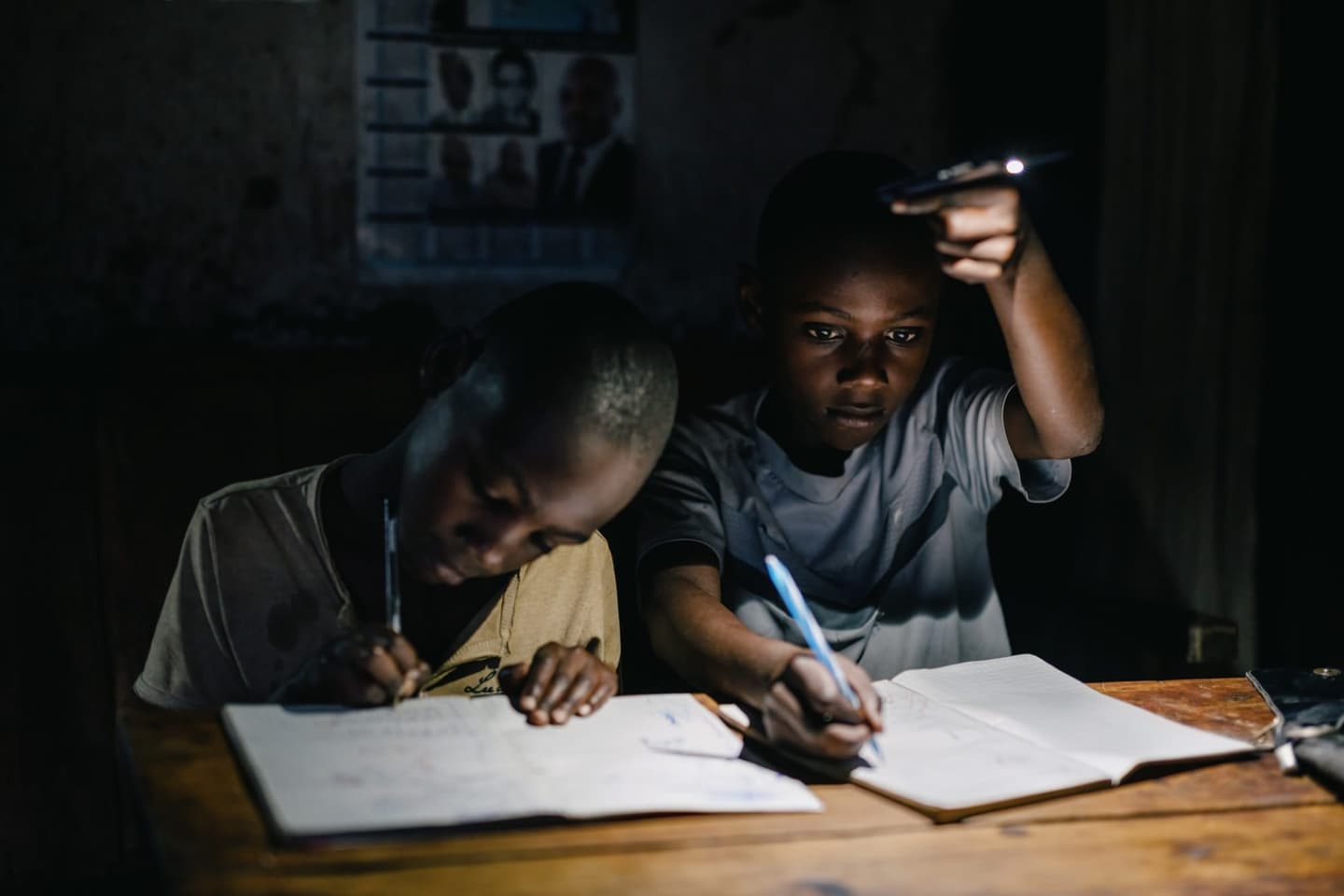
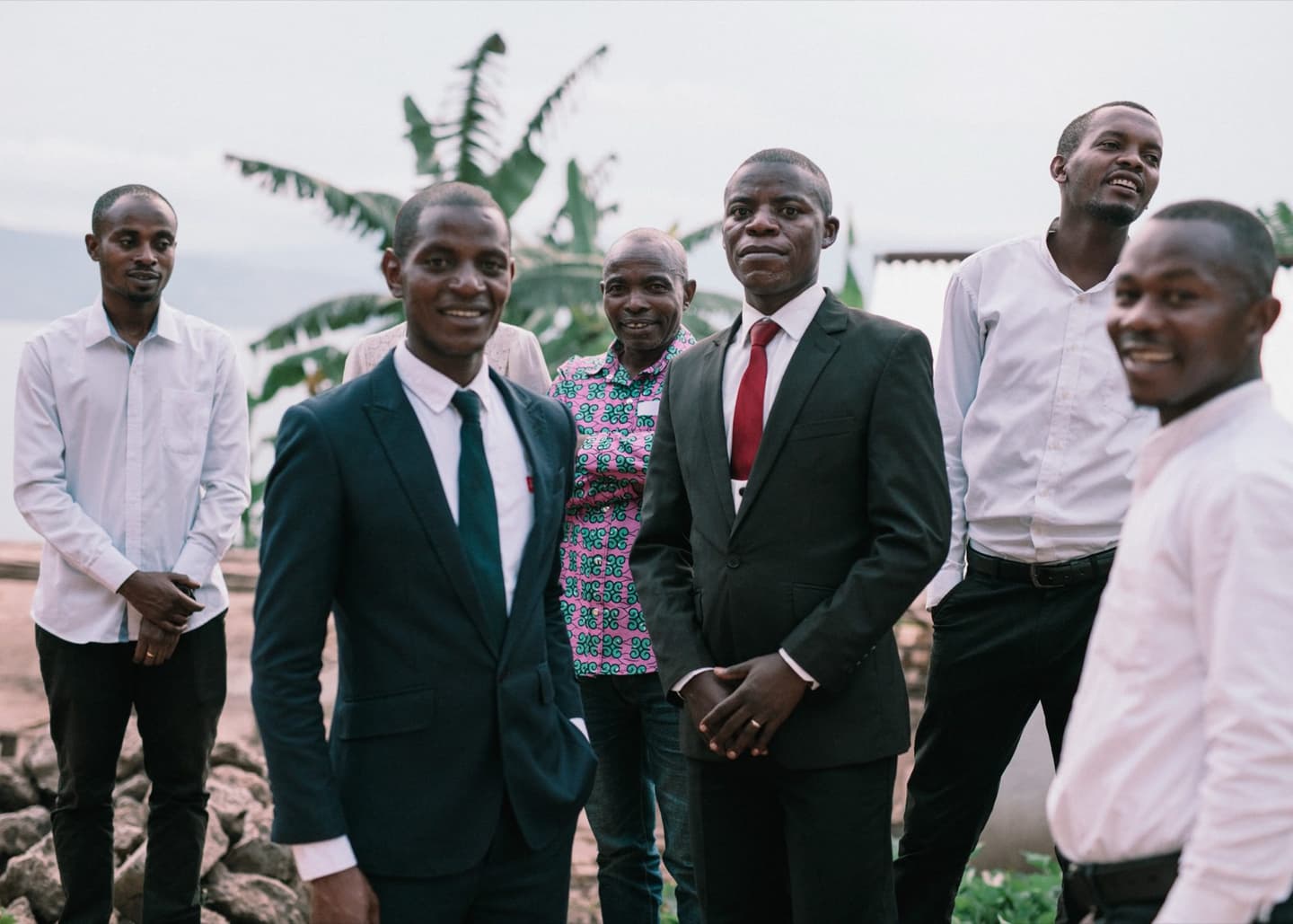
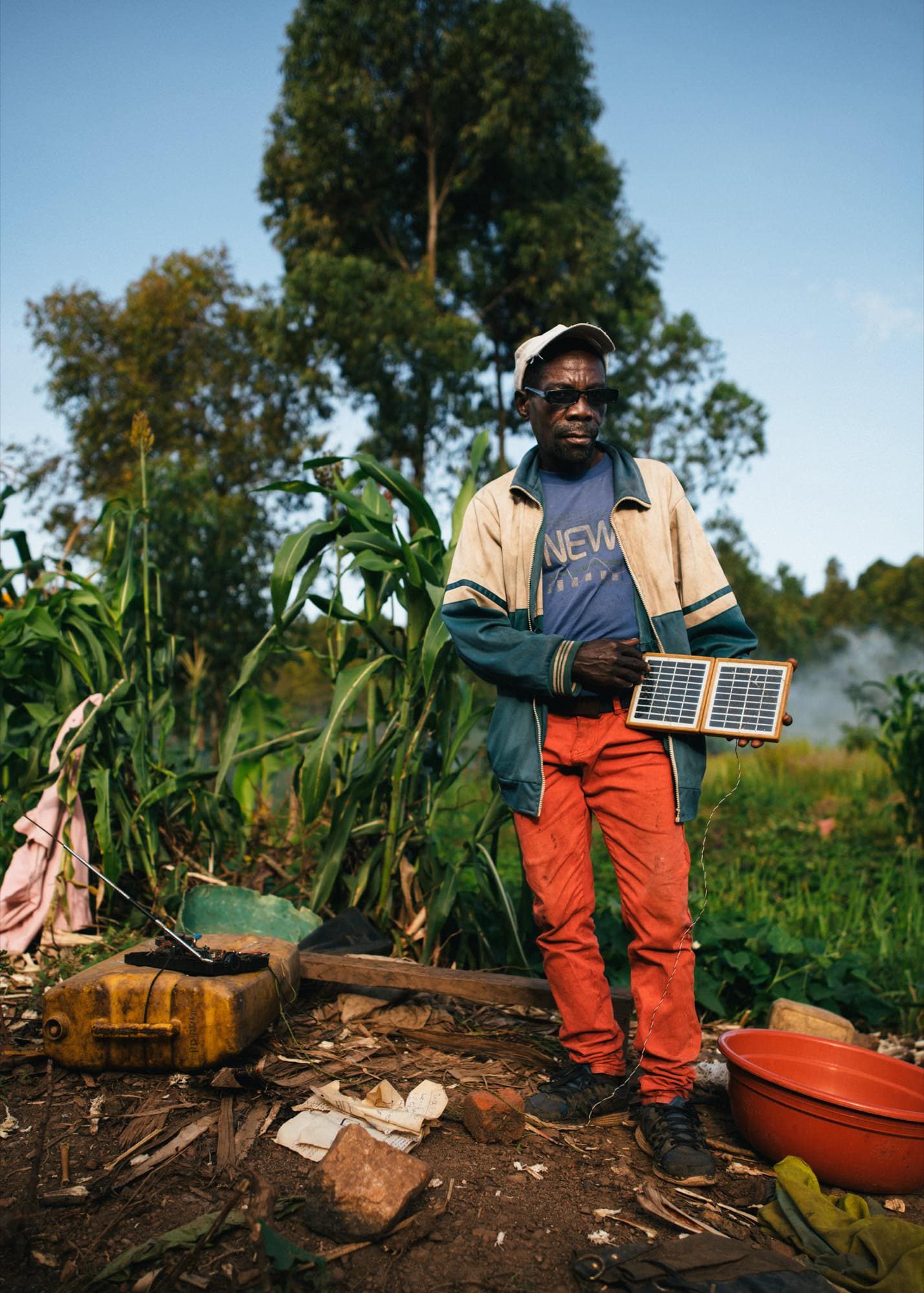
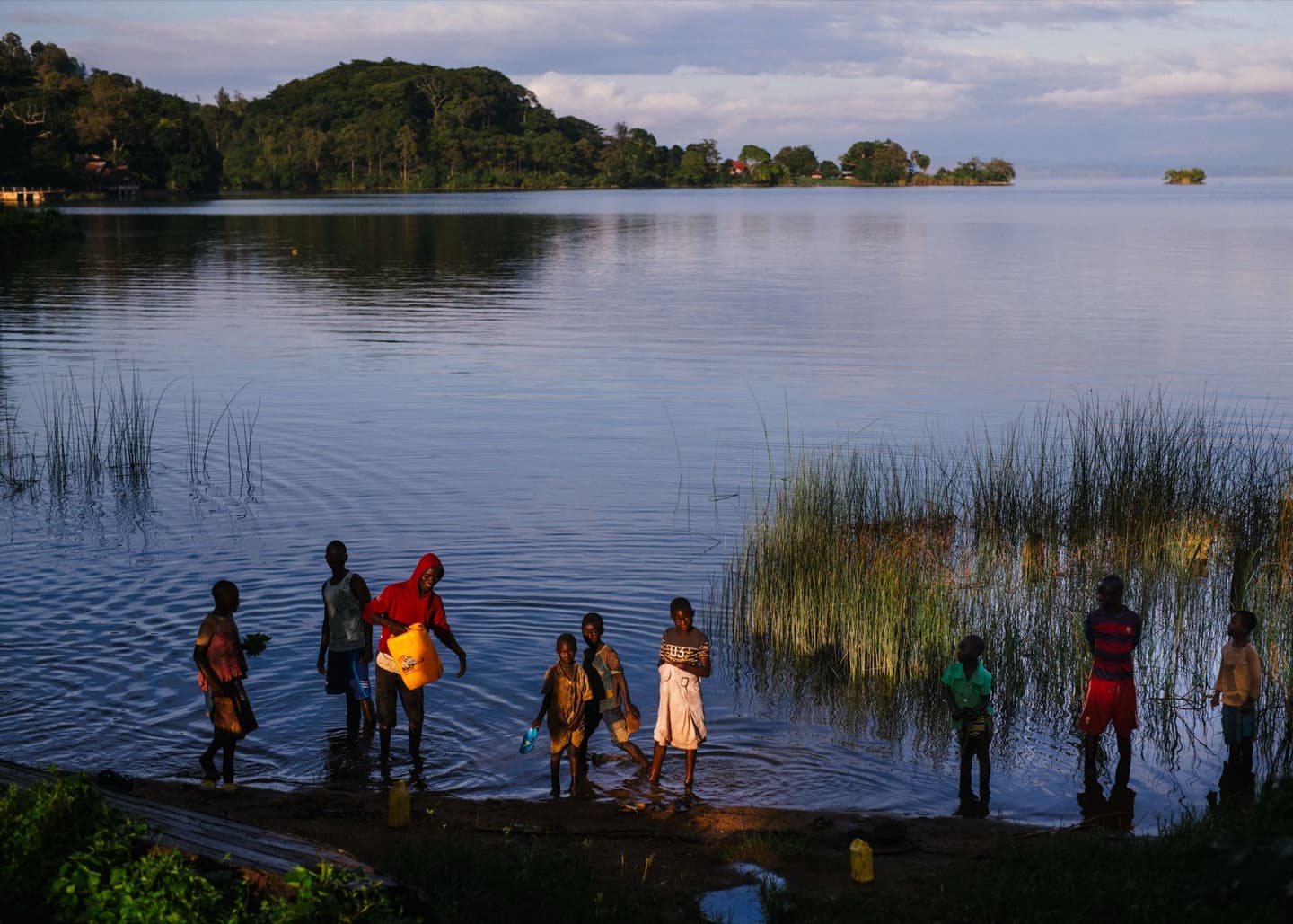
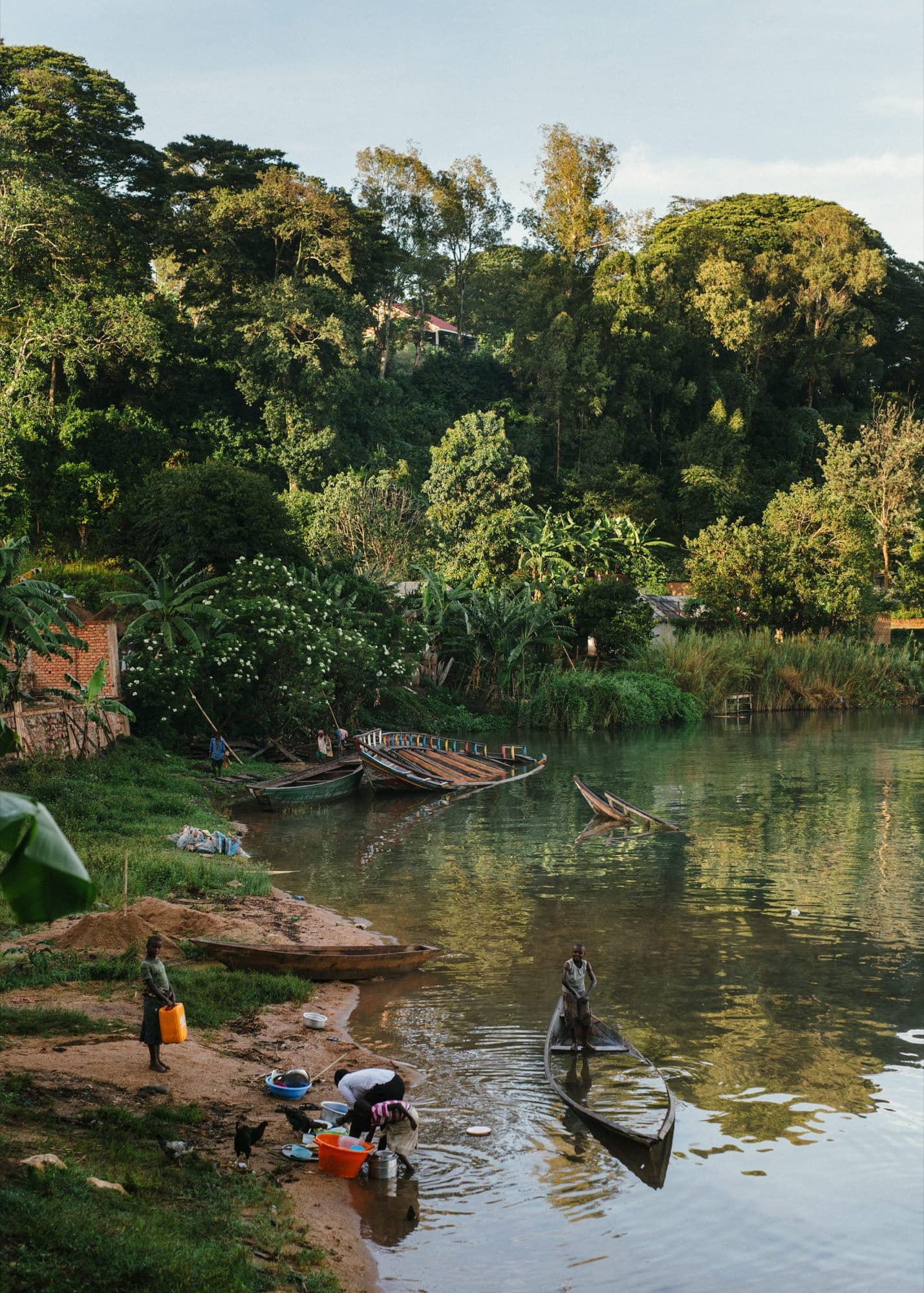
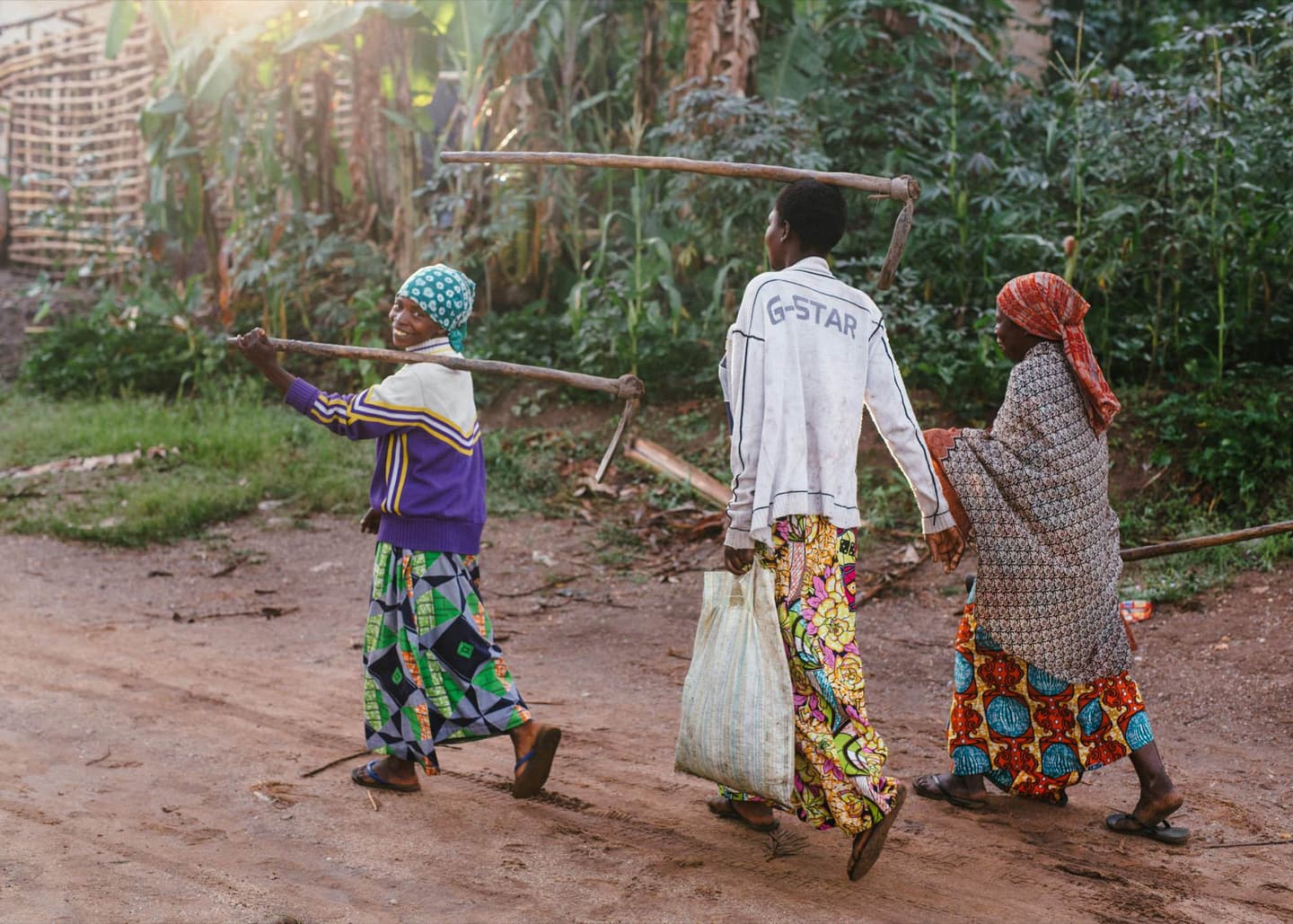
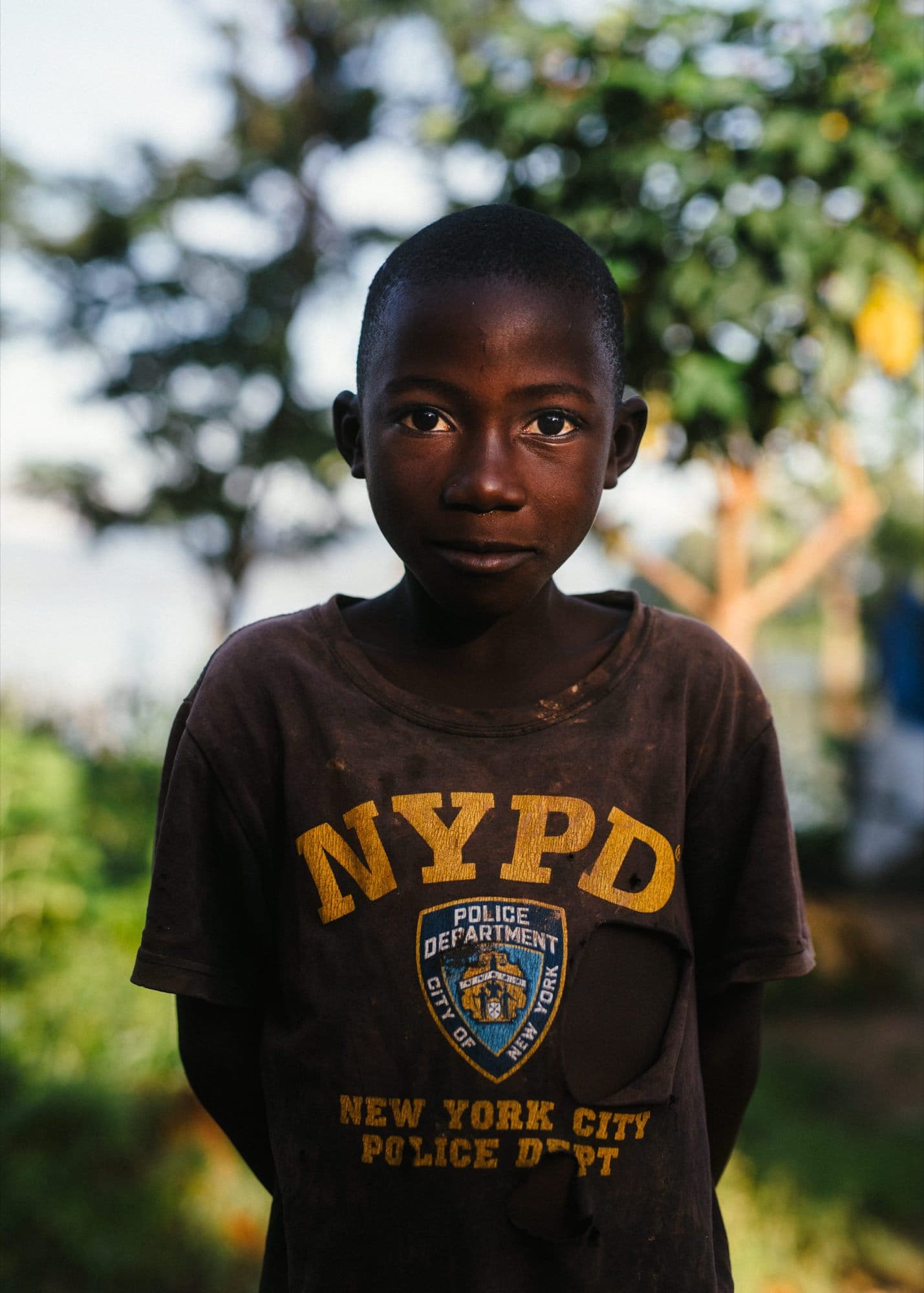
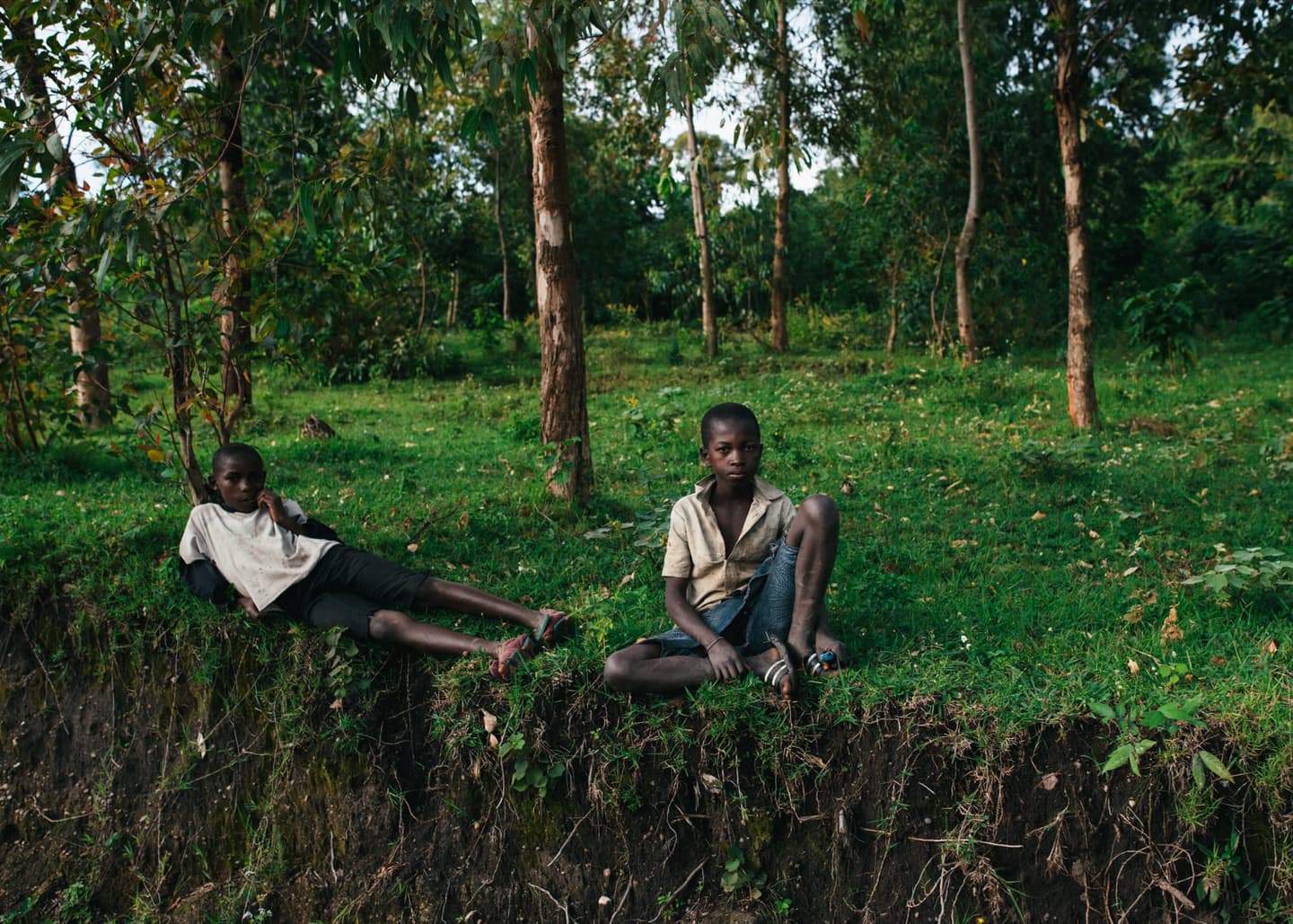
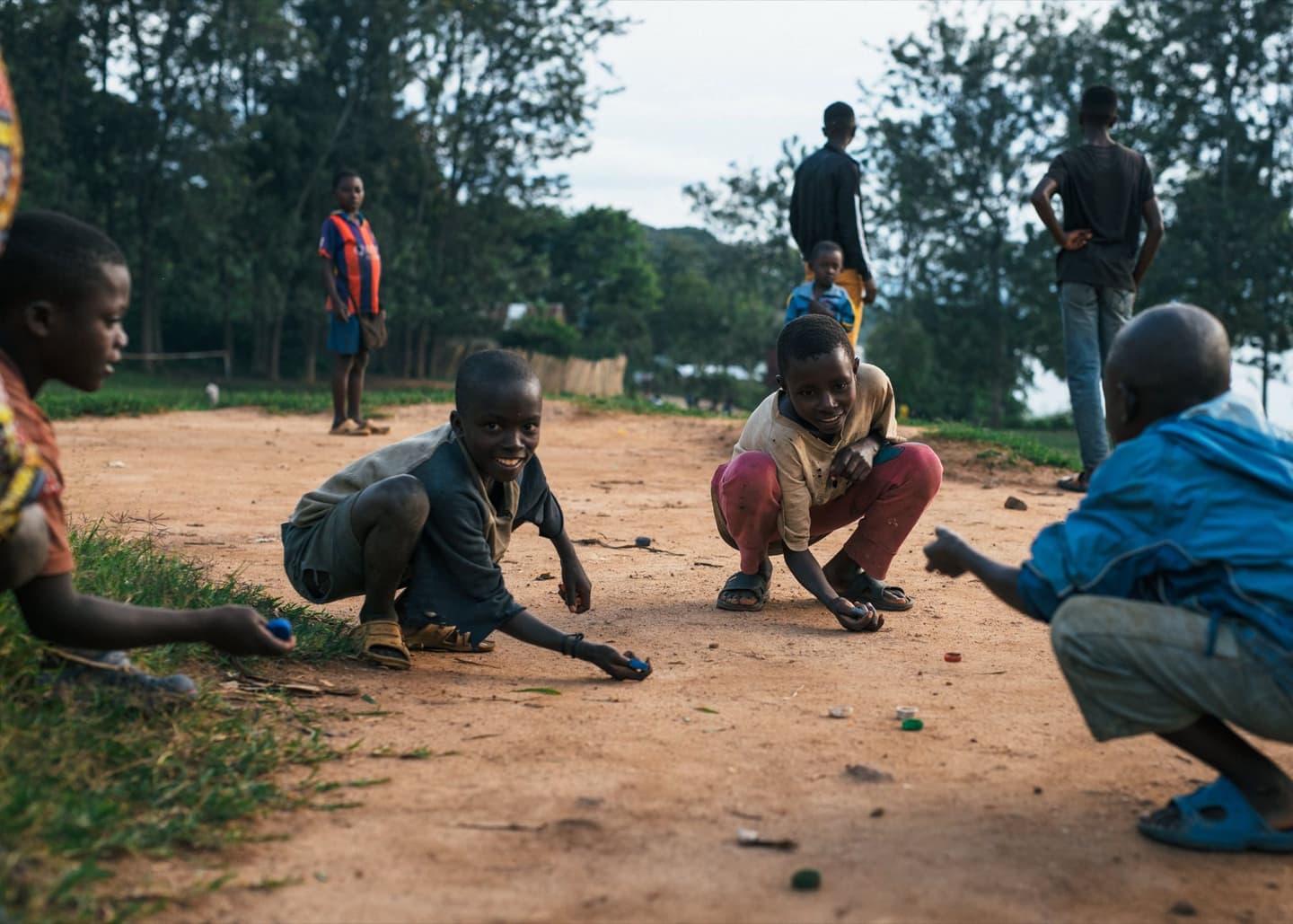
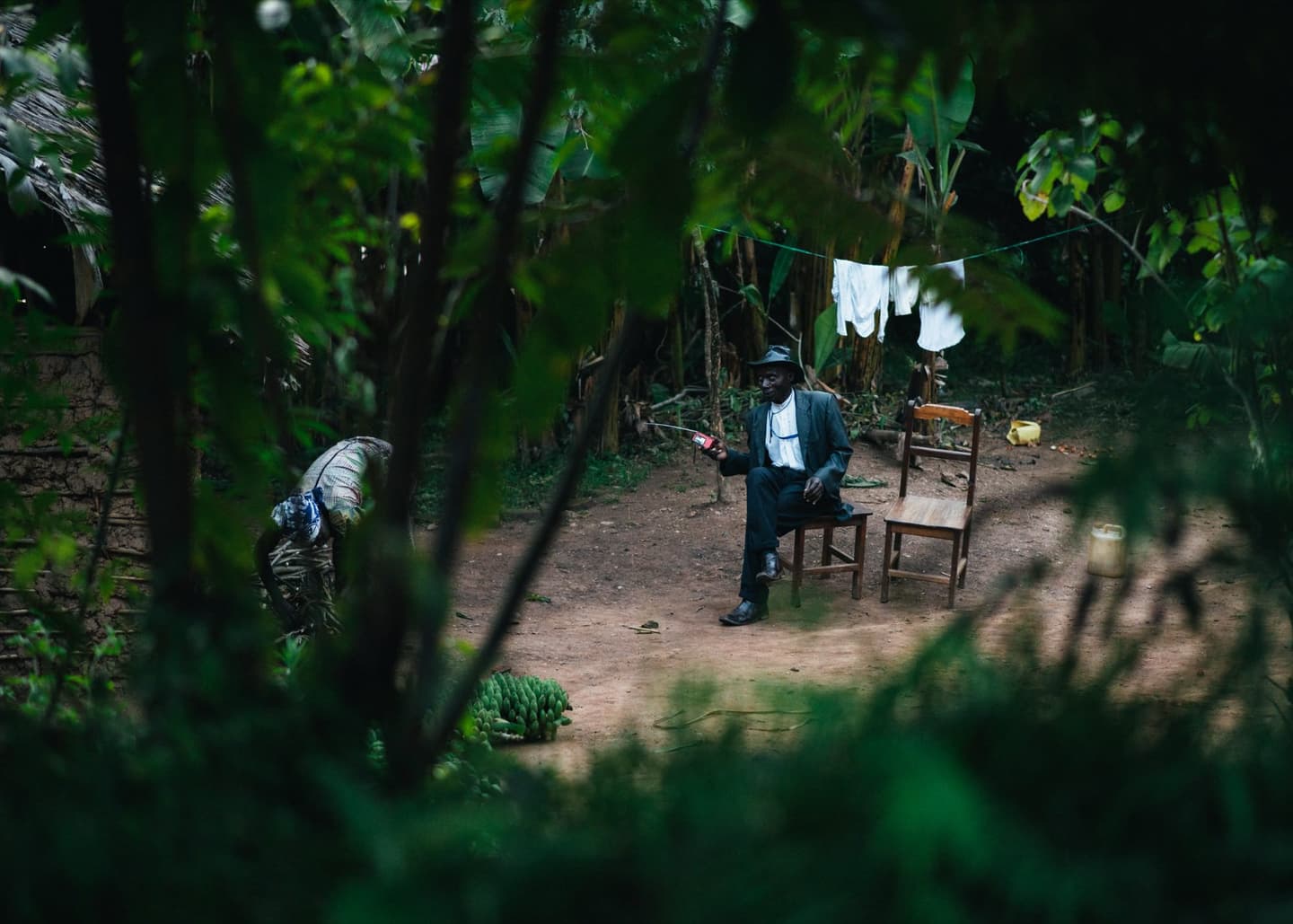
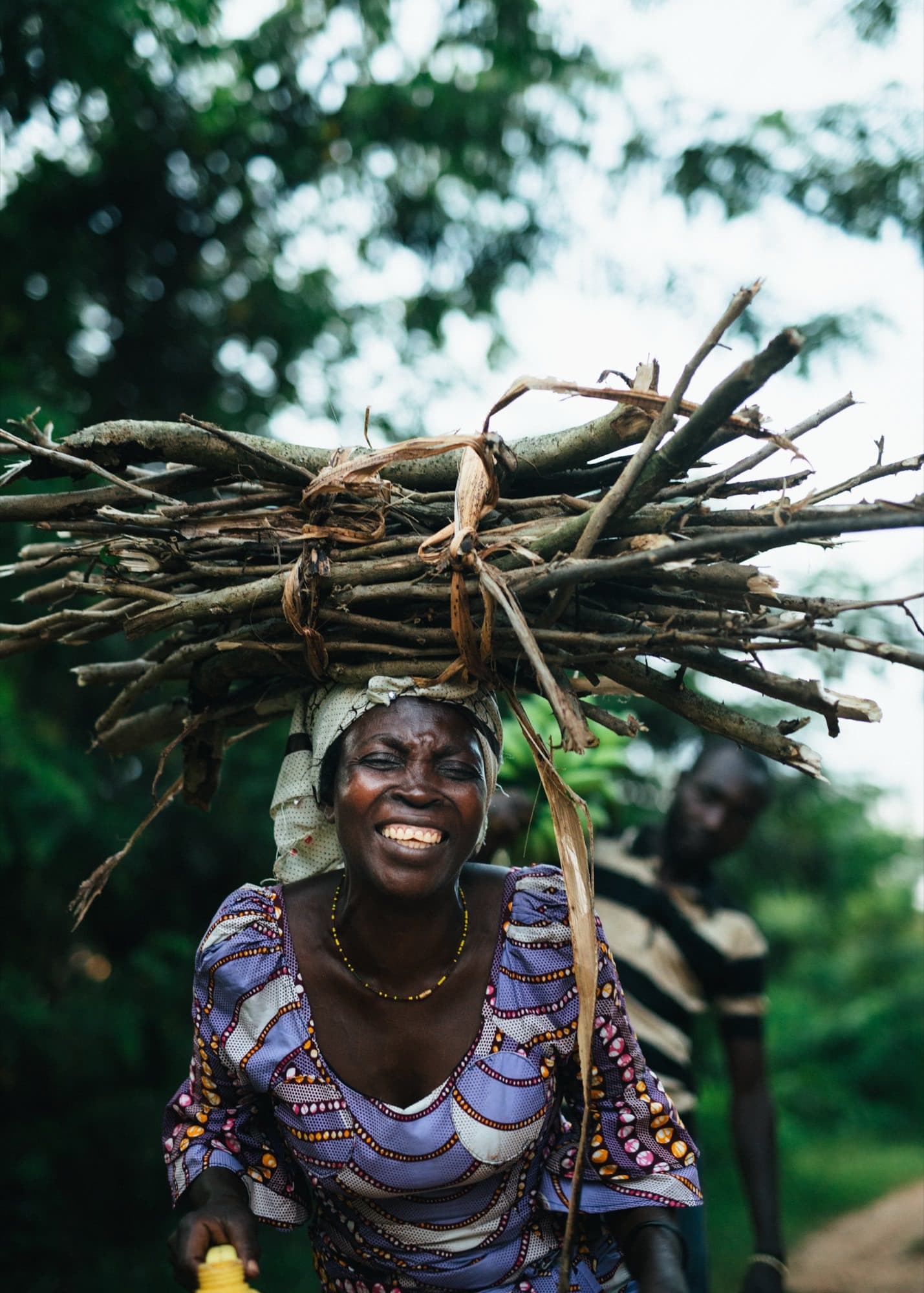
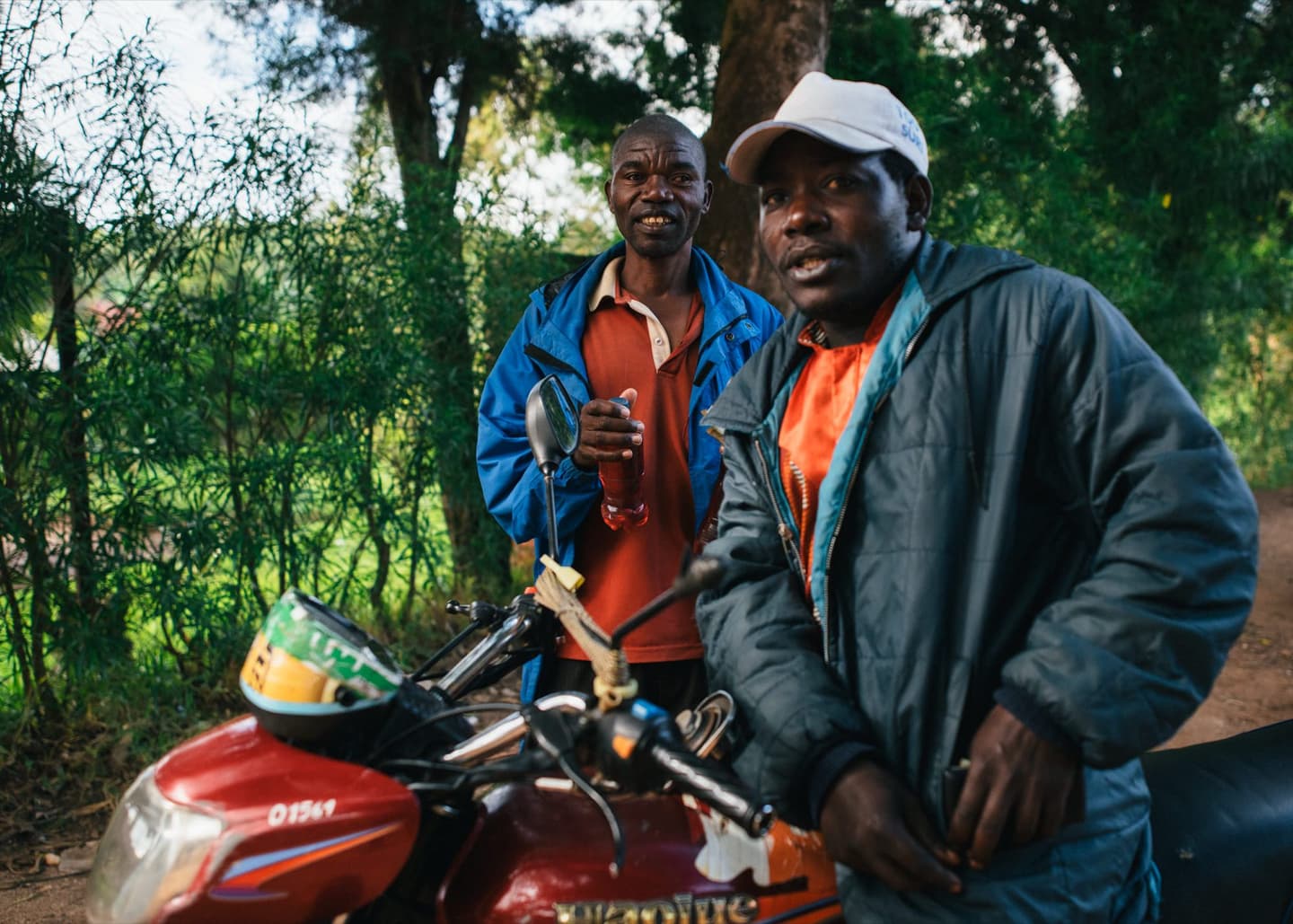
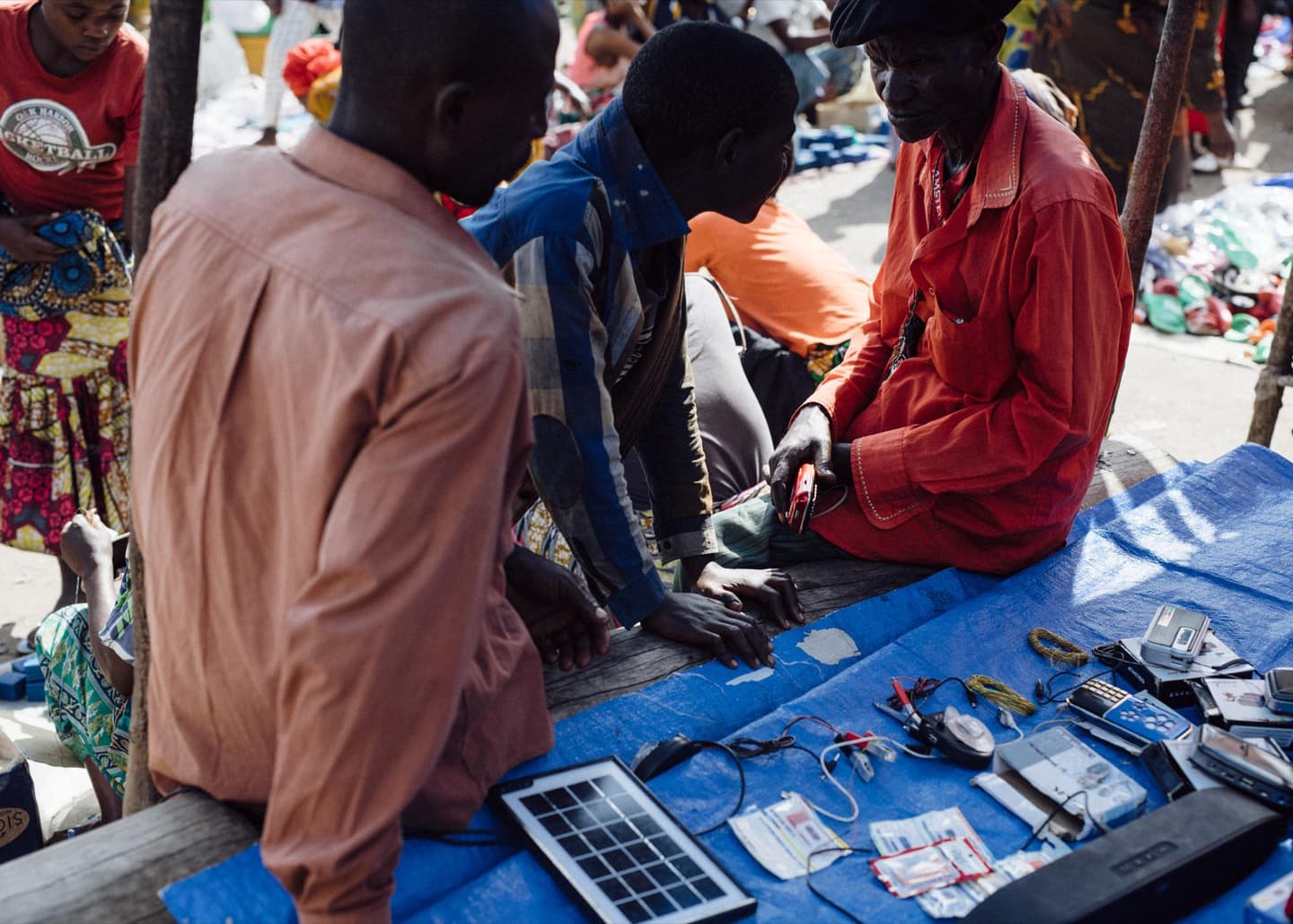
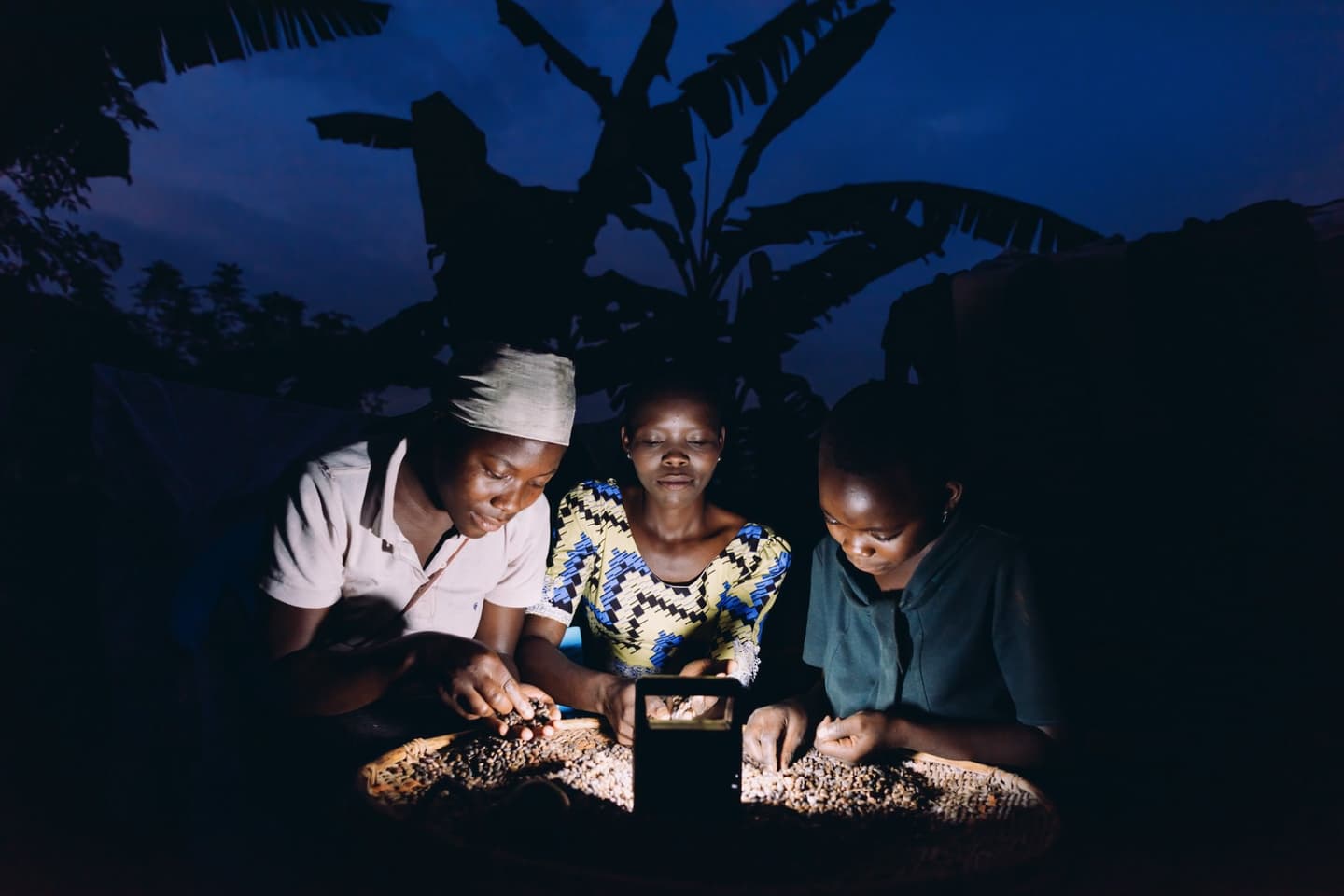
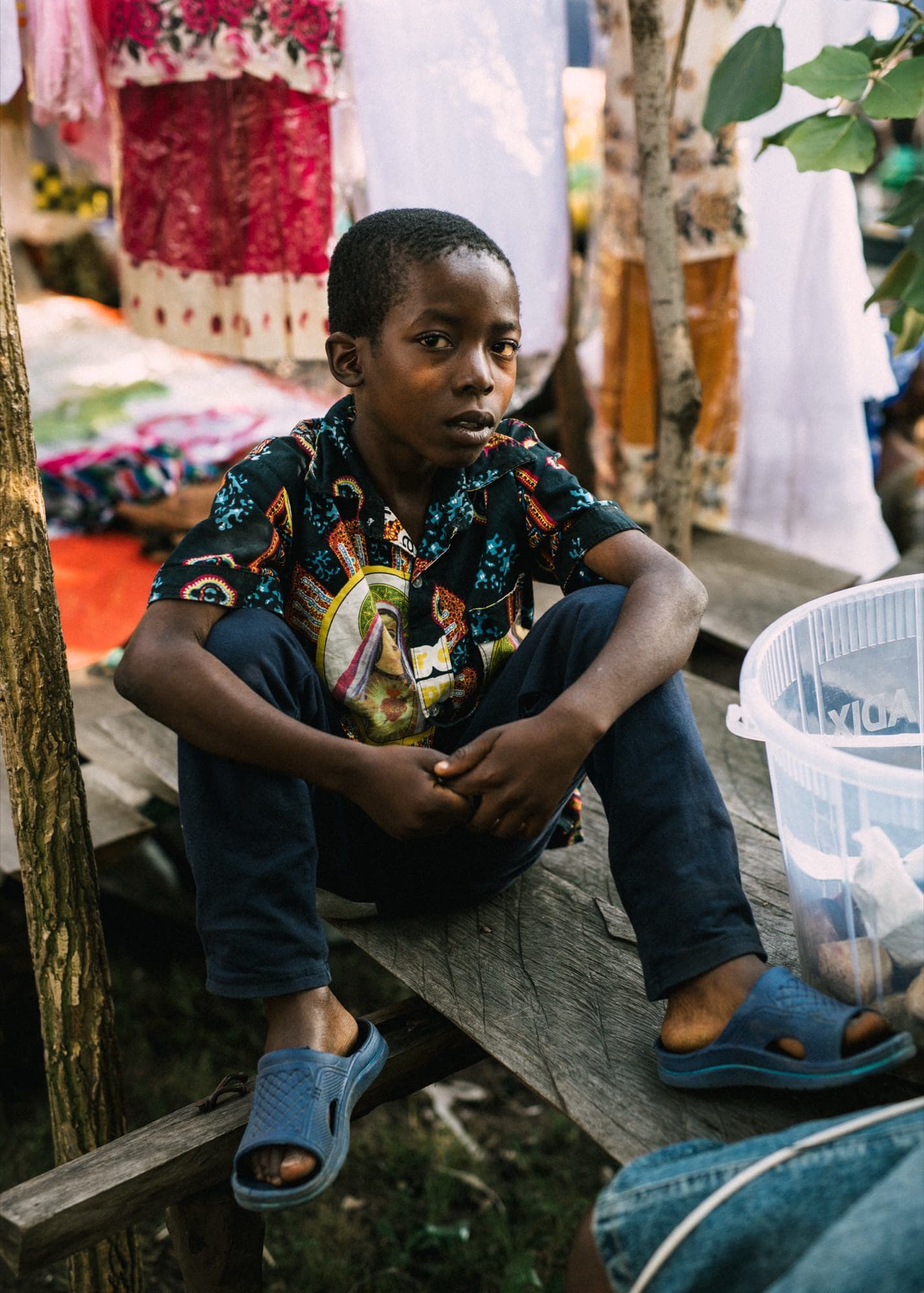
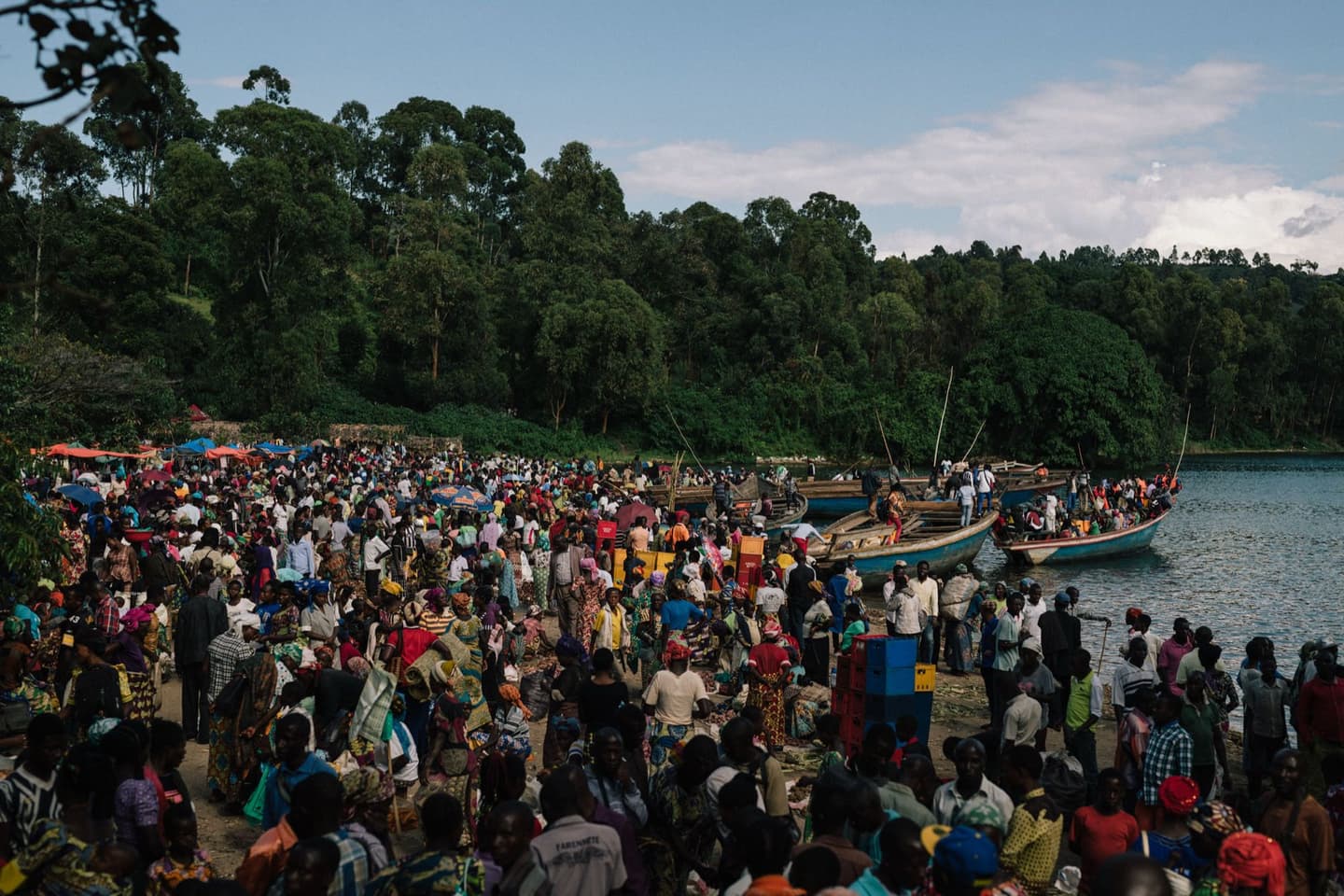
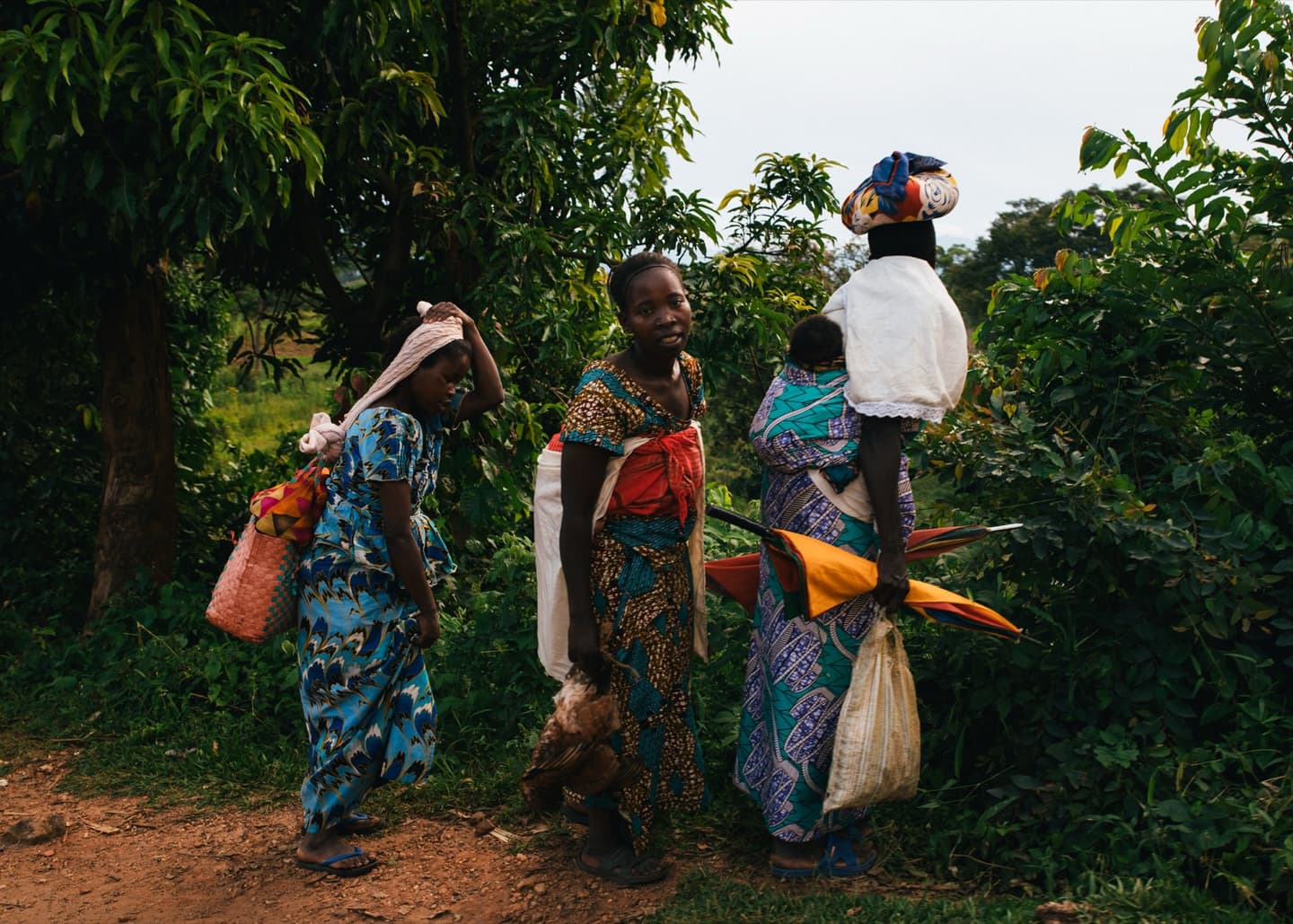
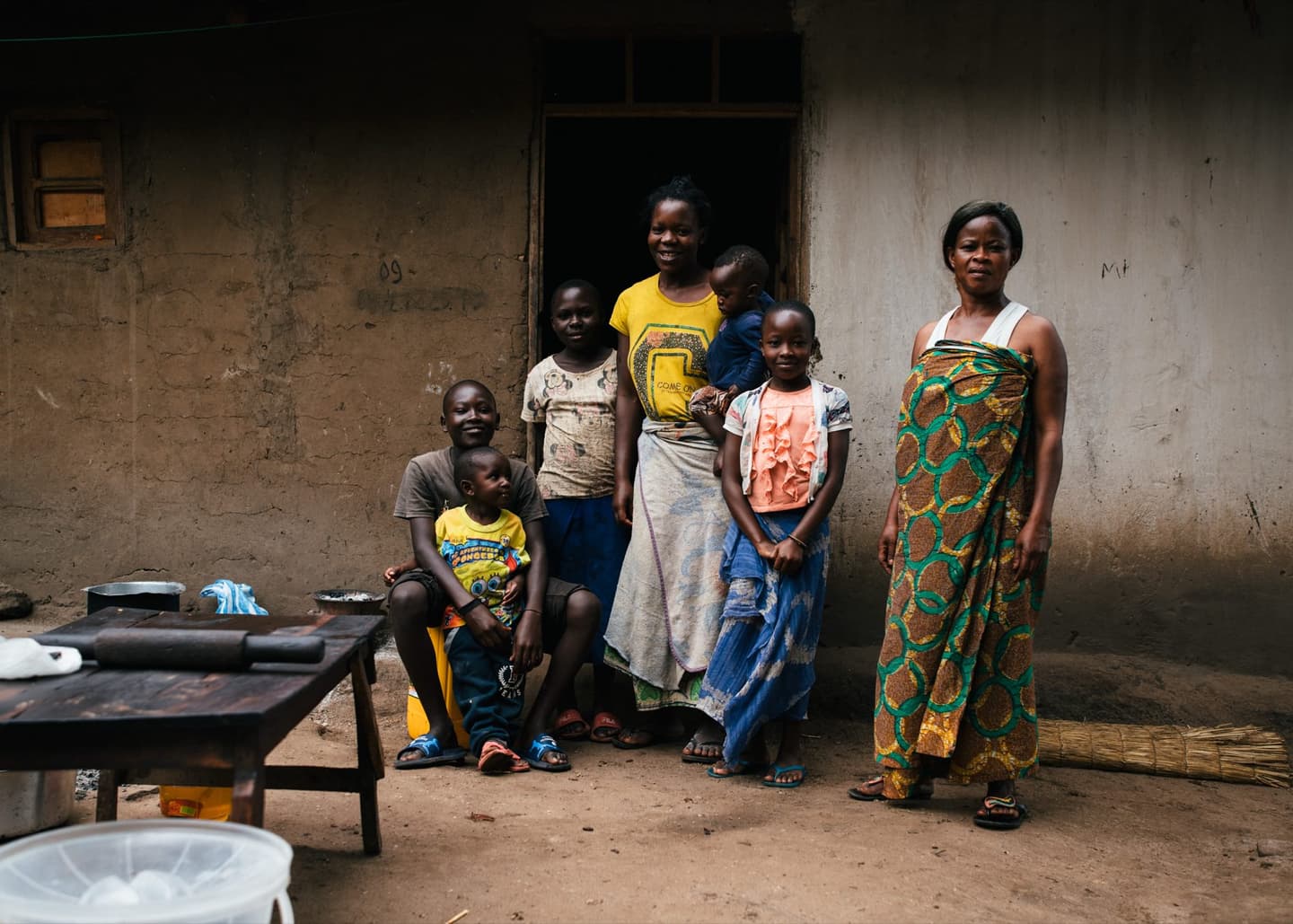
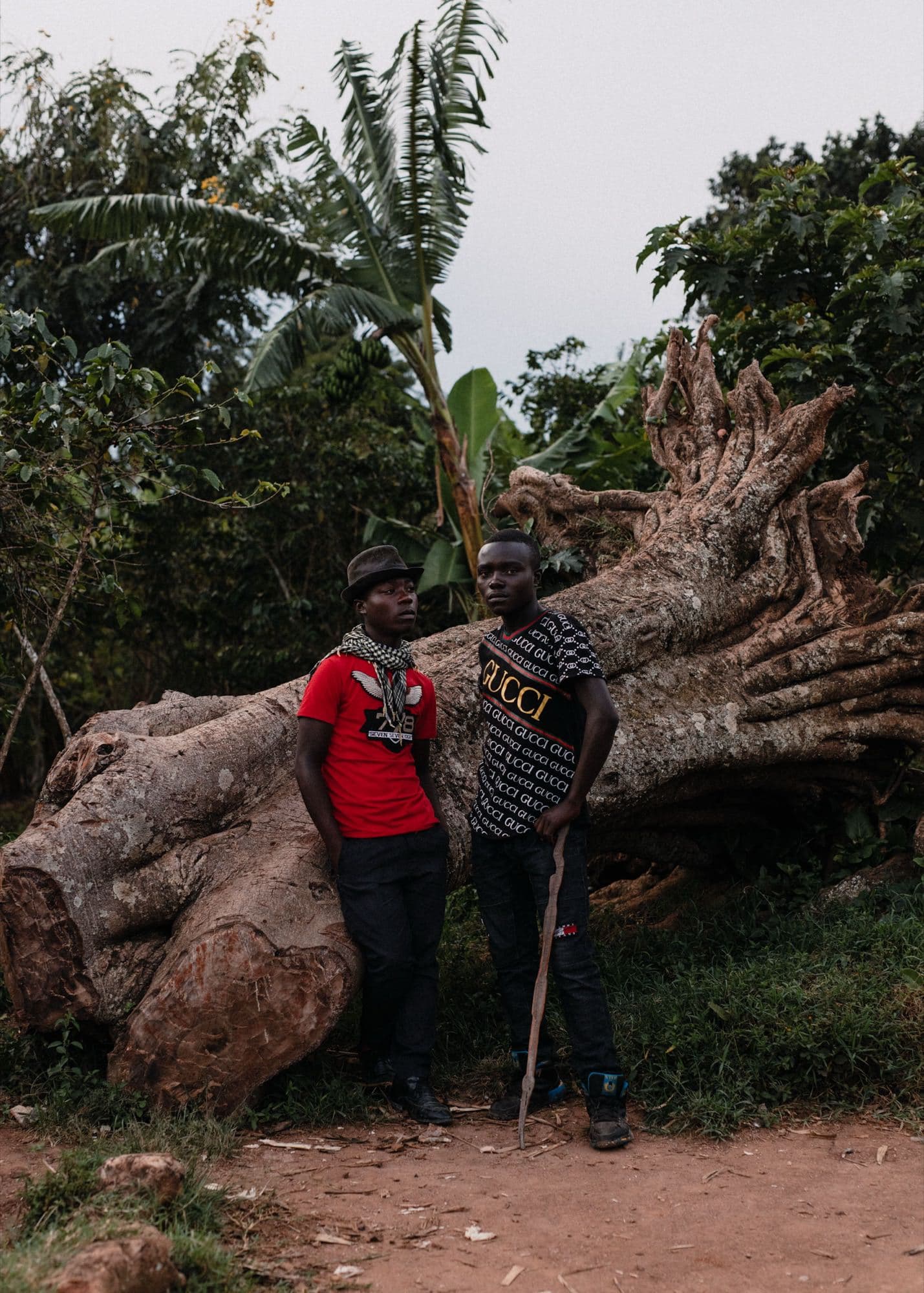
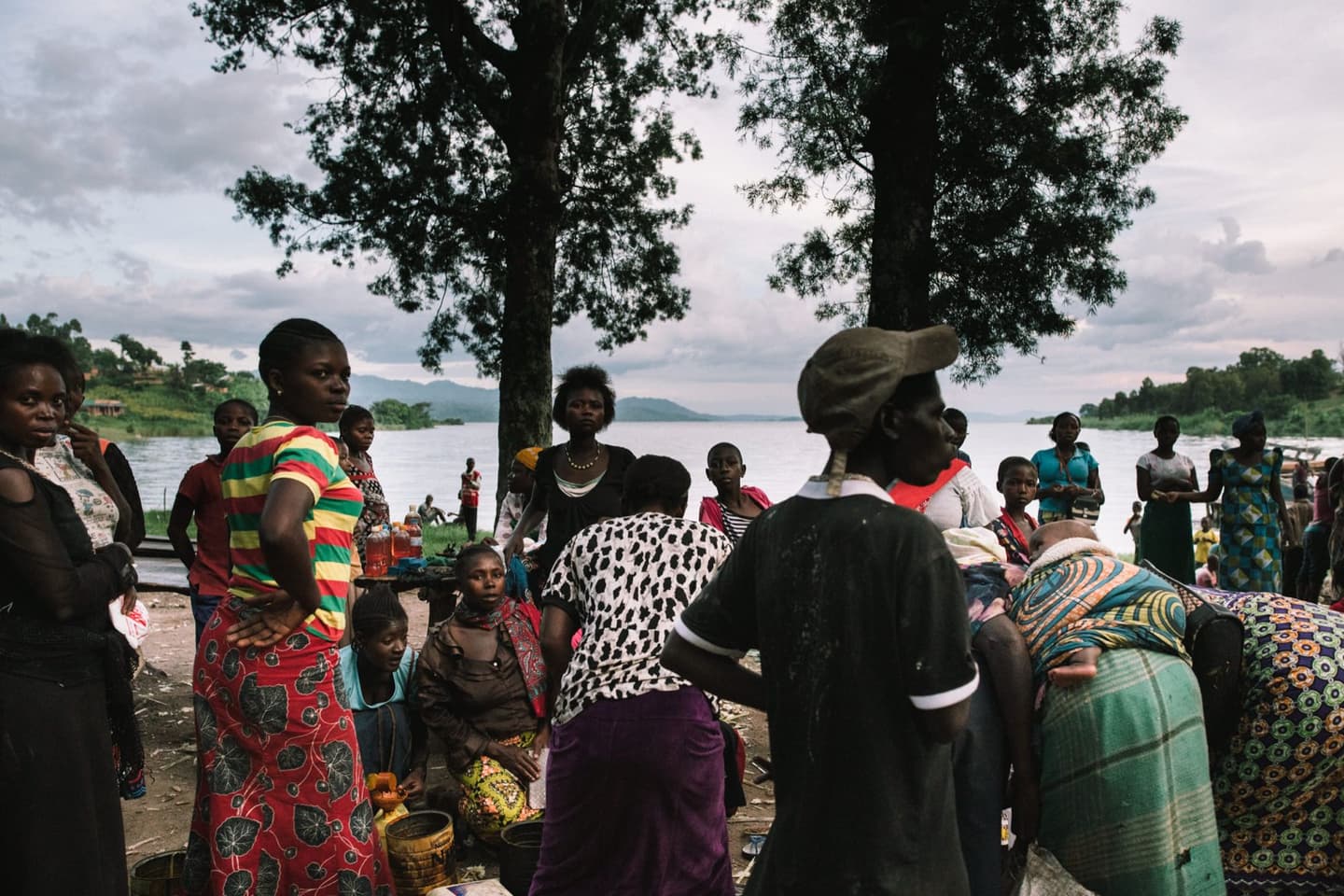
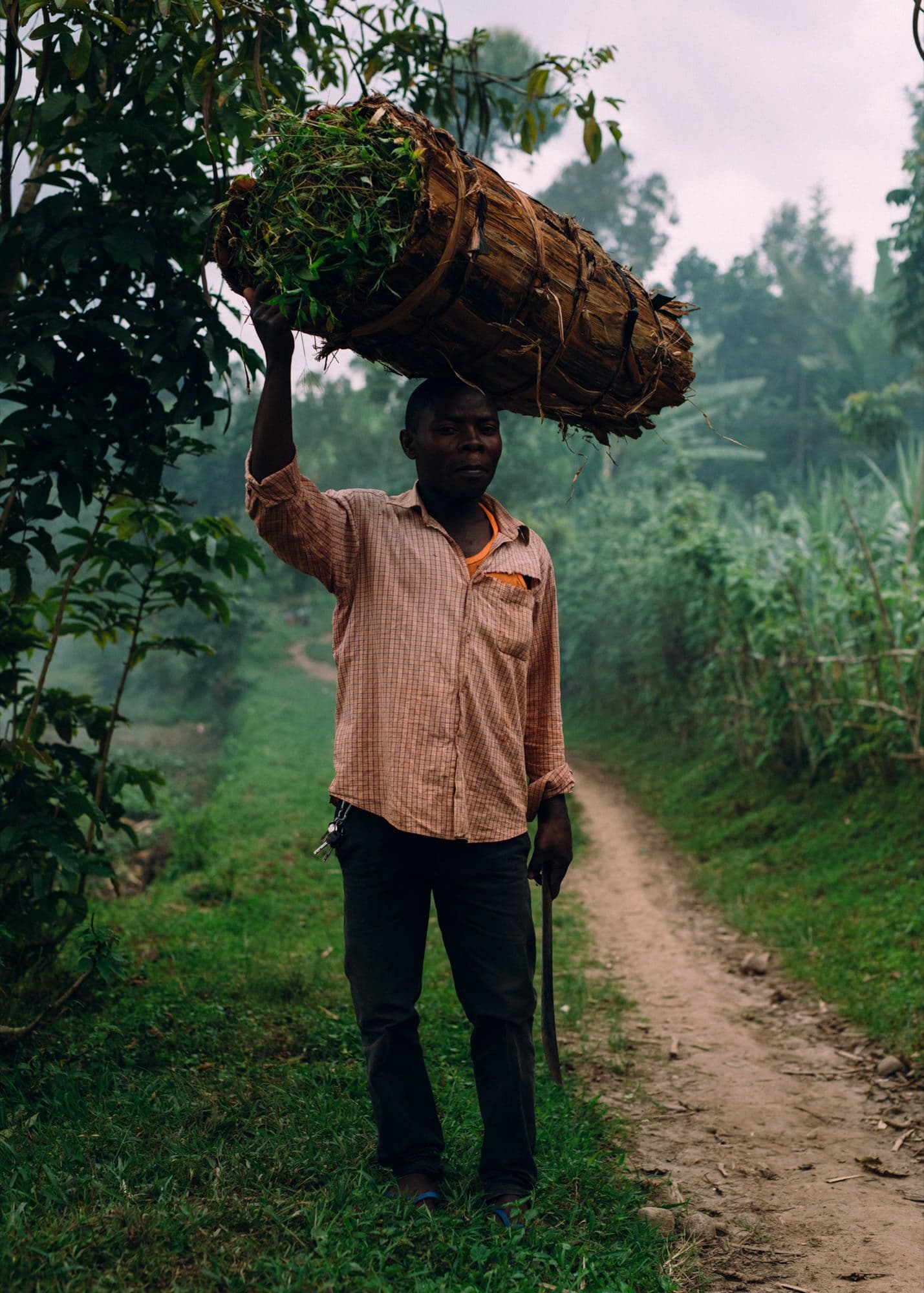
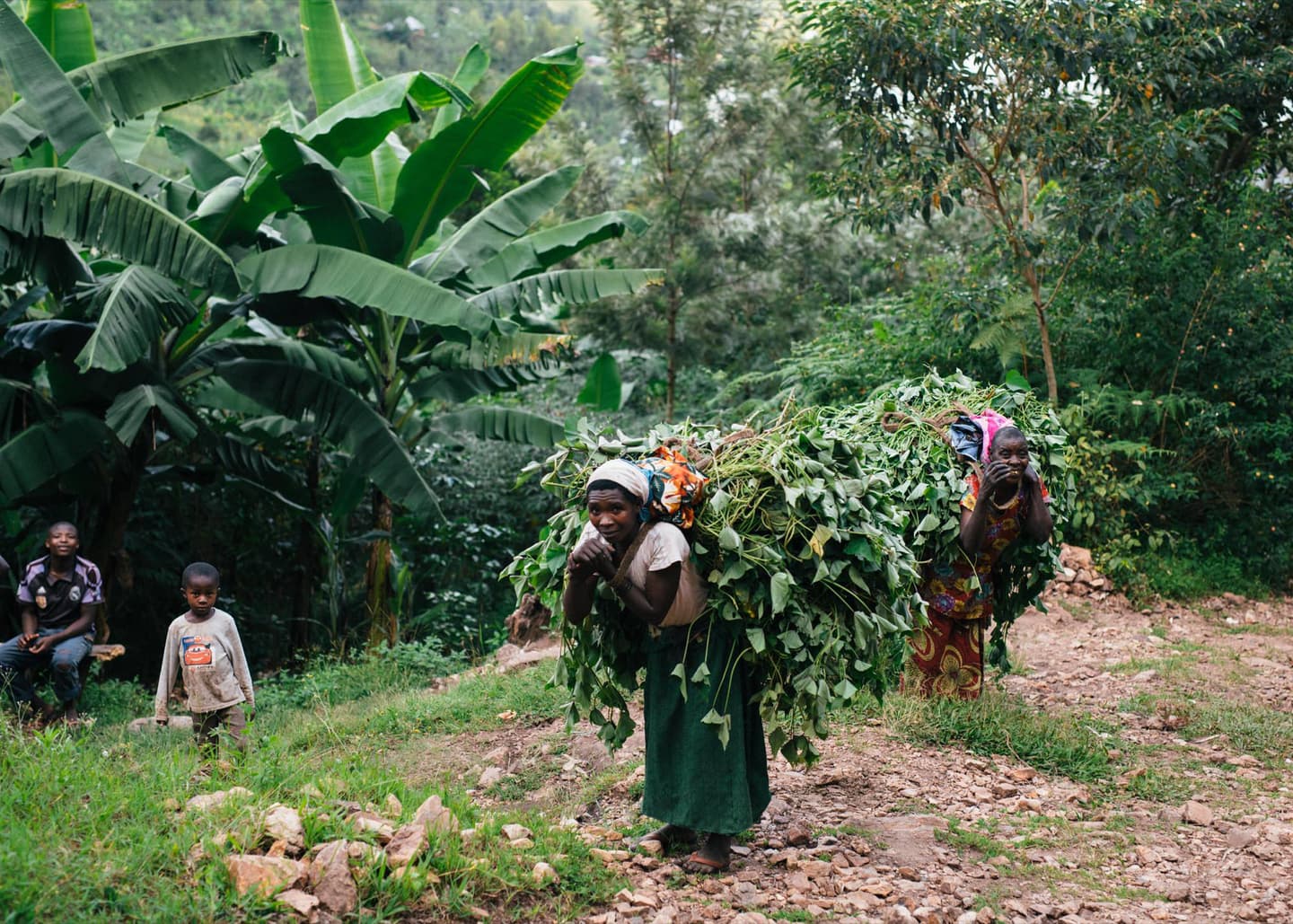
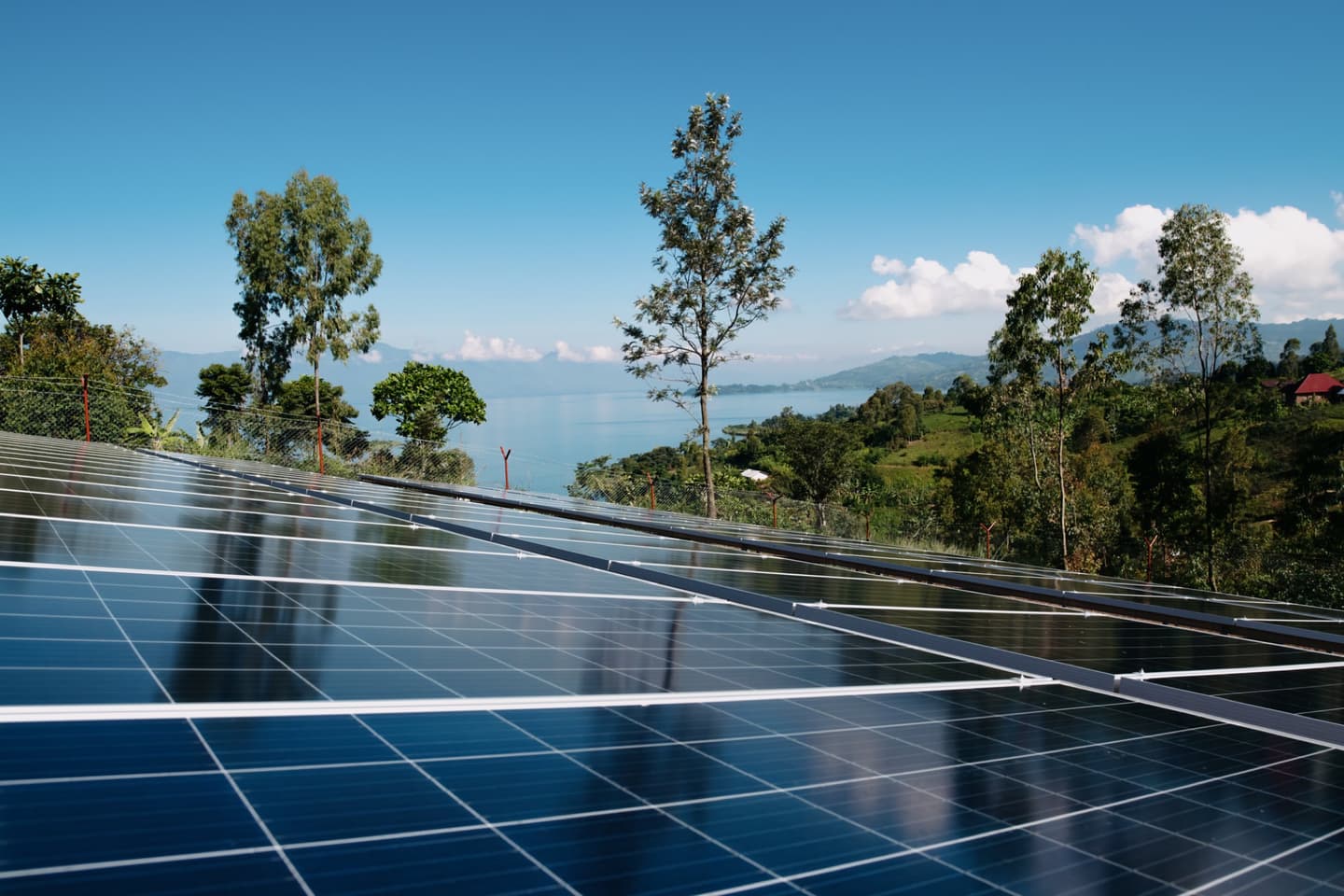
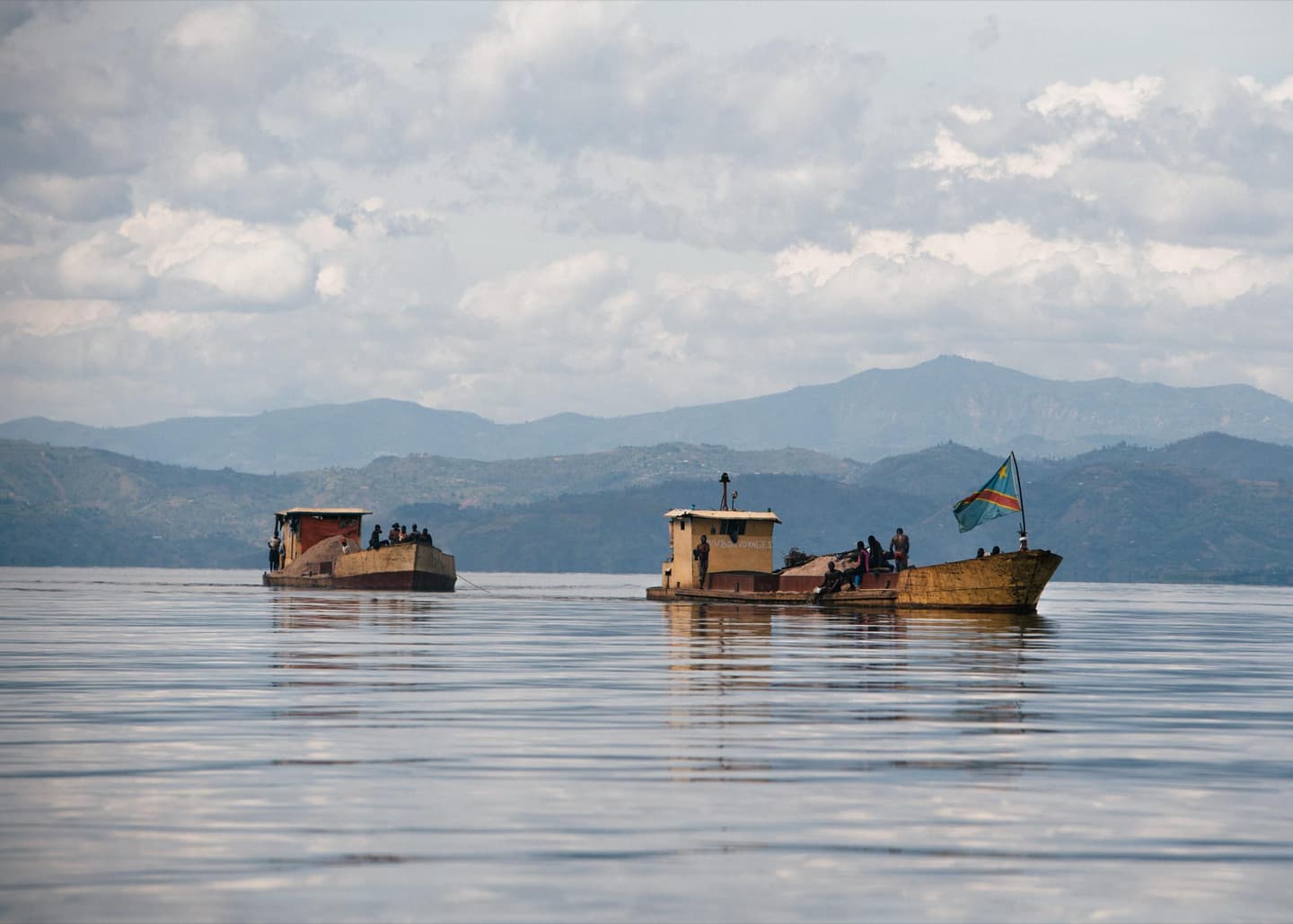
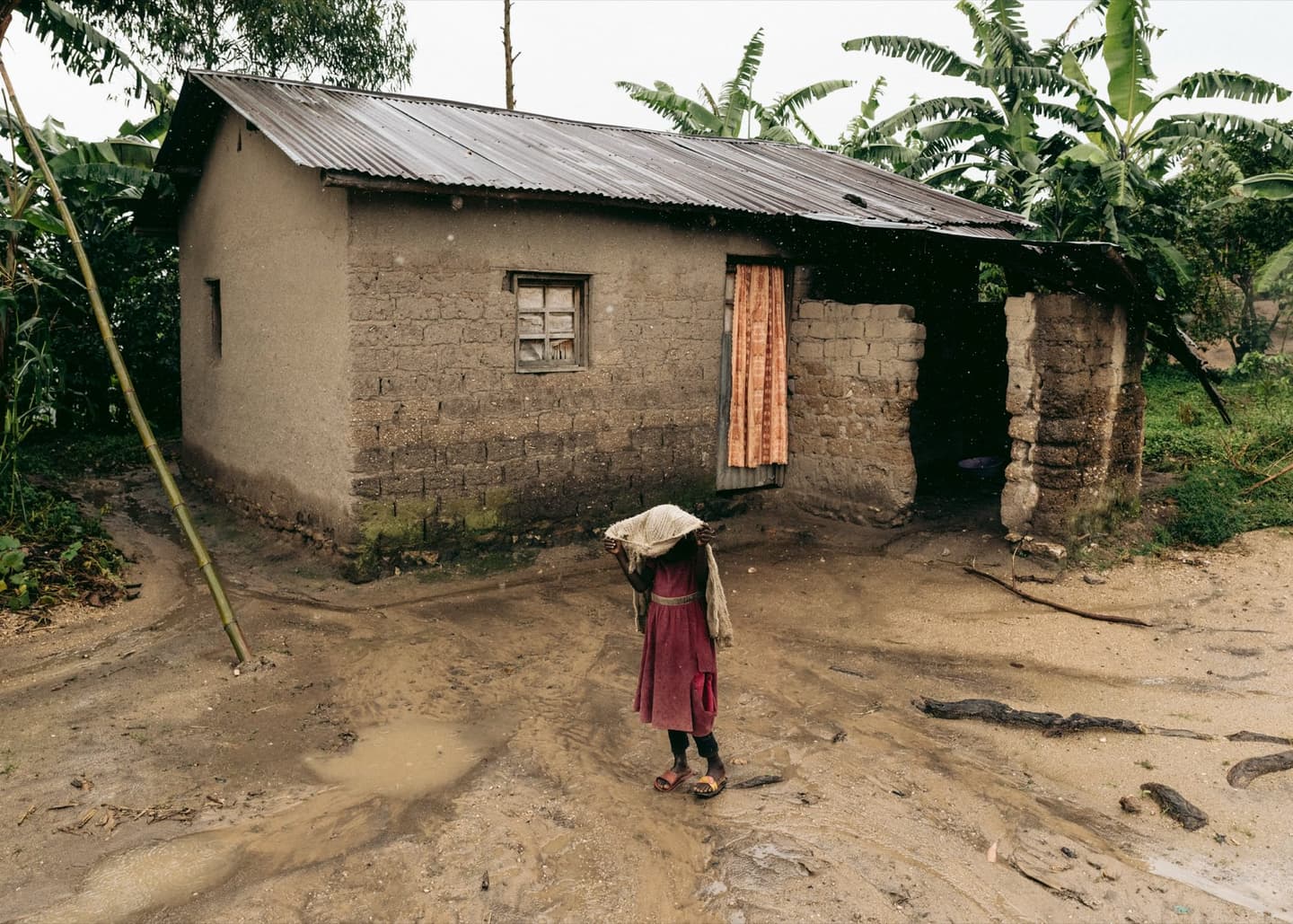
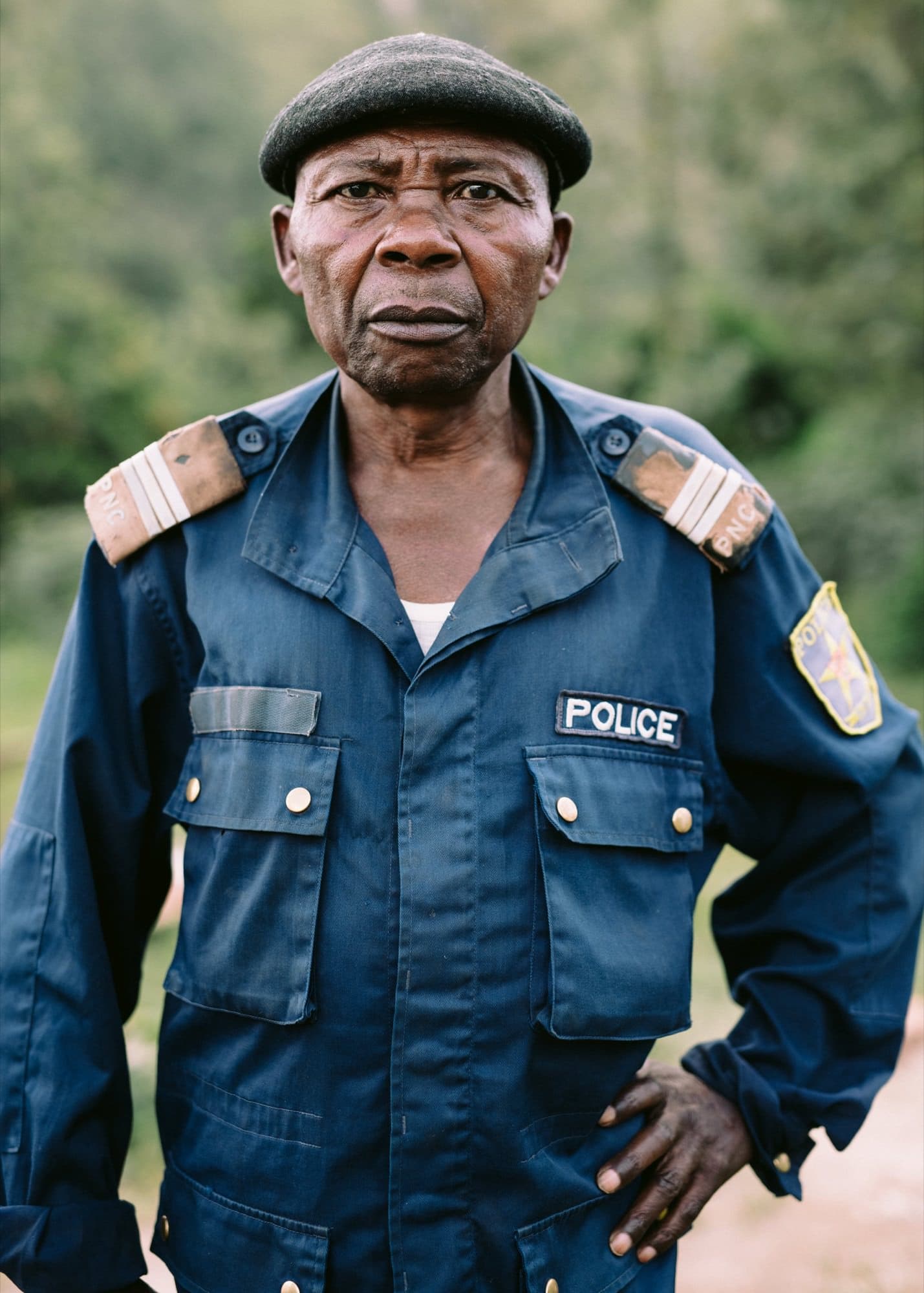
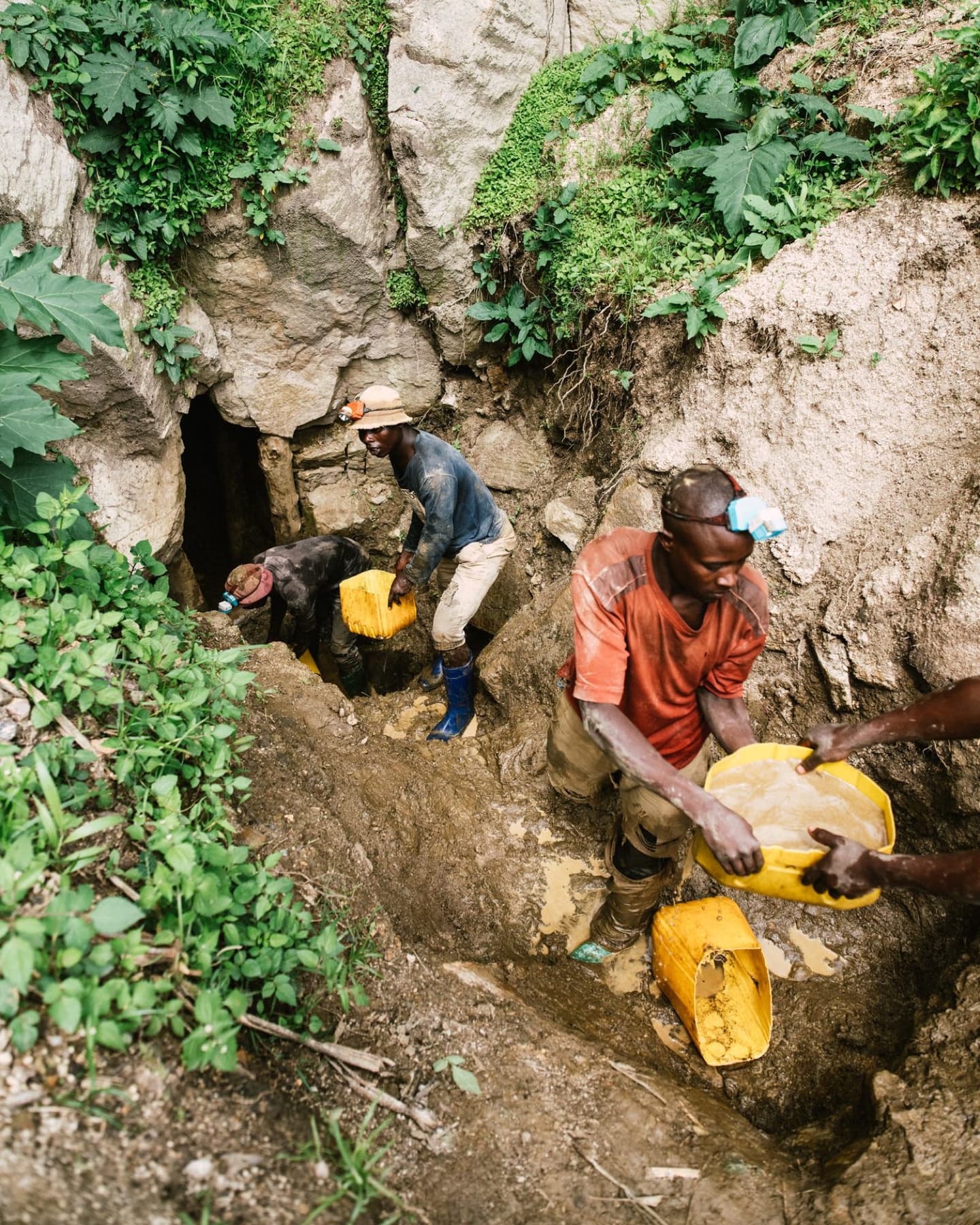
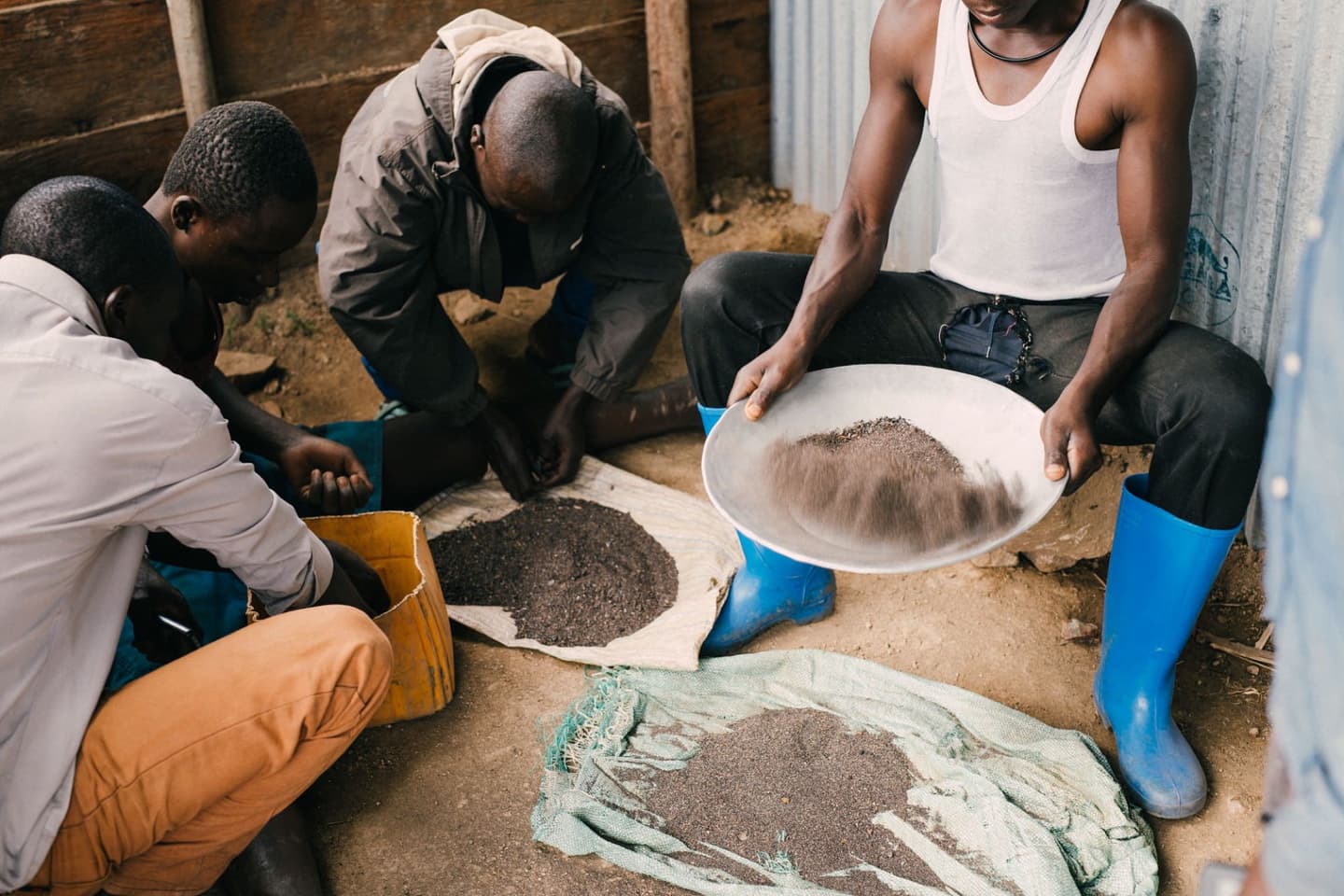
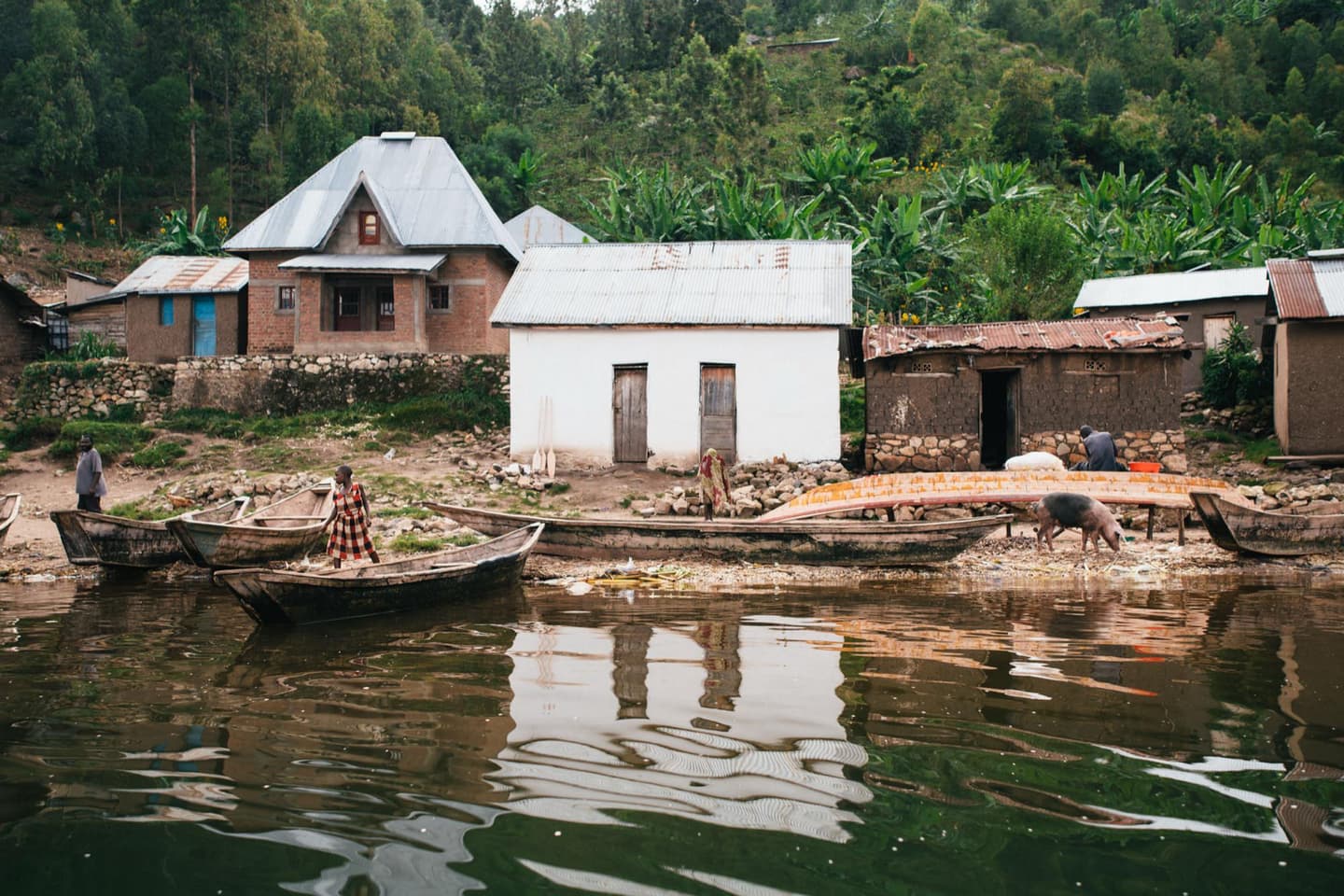
Idjwi is the tenth-largest lake island in the world. It sits in Lake Kivu in the eastern Democratic Republic of Congo, separated from the Rwandan coast by as little as one kilometre at its southern tip, yet administratively and practically remote from both countries. At 340 square kilometres, it is home to around 300,000 people — predominantly Havu, a Bantu-speaking people whose chiefdom structure dates to a kingdom formalised in the early nineteenth century. The island has no connection to the national grid. The DRC's national electrification rate stands at around nine percent; in rural areas, one percent. Idjwi had been, for nearly all of its residents, entirely without power. This project was commissioned by Google as part of their Congo Power programme — an initiative within Google's Supplier Responsibility framework aimed at building alternative livelihoods in Congolese mining communities. Up to two million people in the DRC are dependent on artisanal mining; the minerals extracted there are used in smartphones, servers, and consumer electronics globally. Congo Power was Google's attempt to make that dependency mean something beyond extraction. Between 2018 and 2023, the programme completed 14 projects and reached over 21,000 people with renewable energy across the DRC. Idjwi was among the largest of those sites. The community identified ice production, coffee processing, and poultry farming as the primary uses for the electricity. The project documented three phases: daily life before any infrastructure arrived; the installation itself — panels, battery banks, cable laid across terrain without roads; and the period after, when the lights came on and those uses became possible. Eastern Congo has been in a state of intermittent armed conflict since the mid-1990s. Idjwi — separated from the mainland by water — has largely sat outside it, a place that received refugees from the Rwandan genocide and subsequent cycles of violence on the Congolese shore. That isolation preserved a certain coherence. It also meant the island was consistently overlooked: no grid, no roads, forests cleared for fuel.