Chinese Engagement
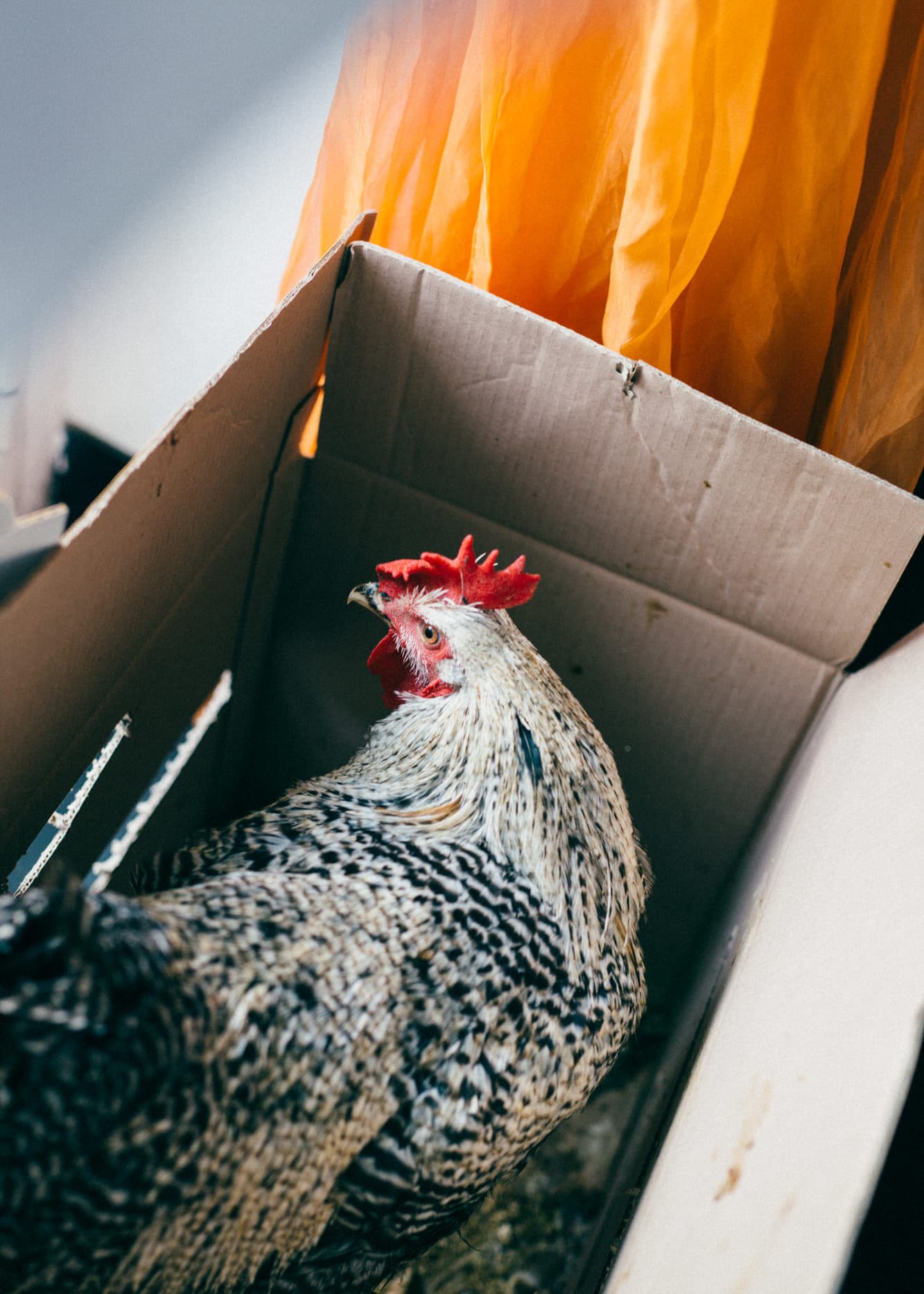
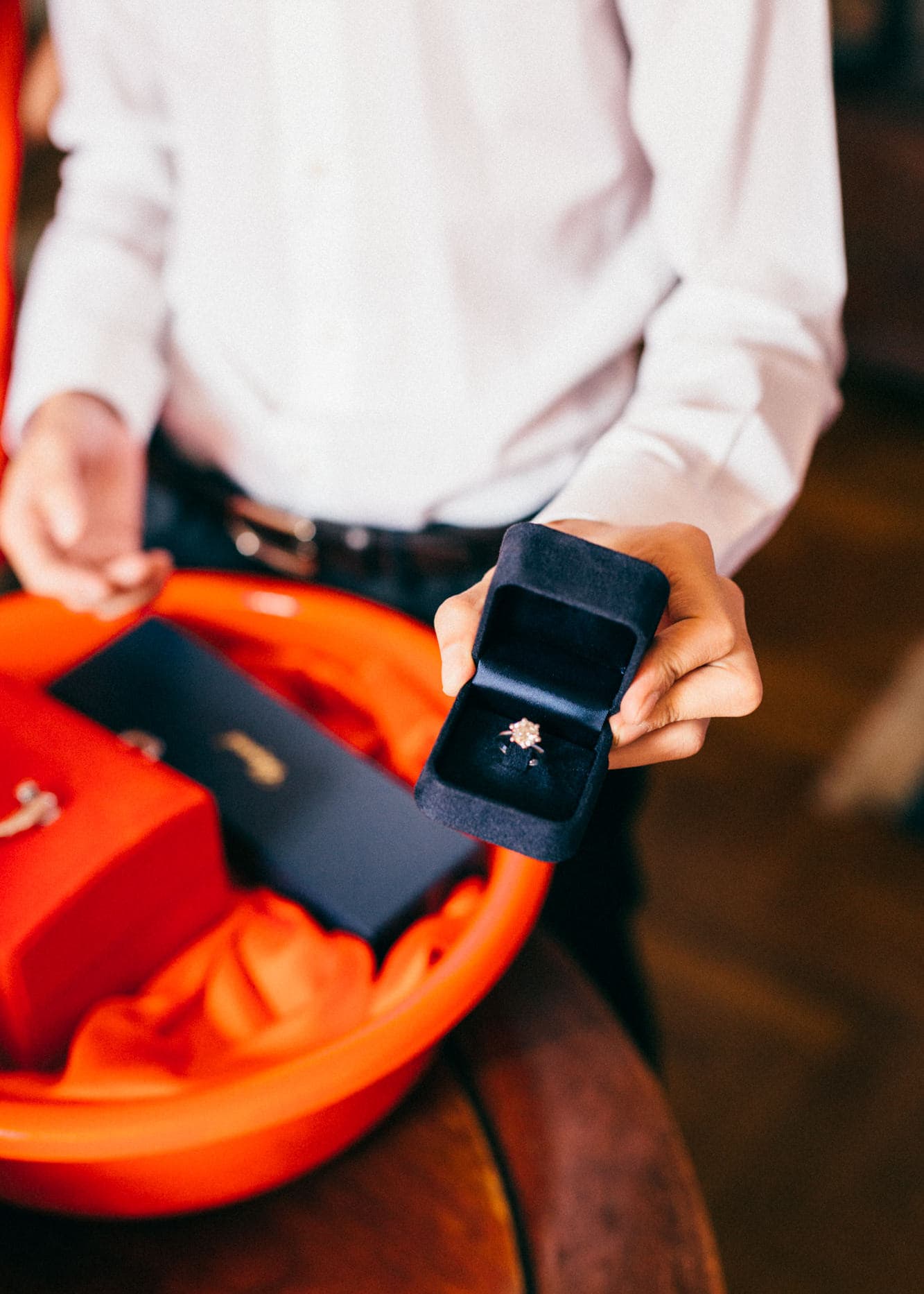
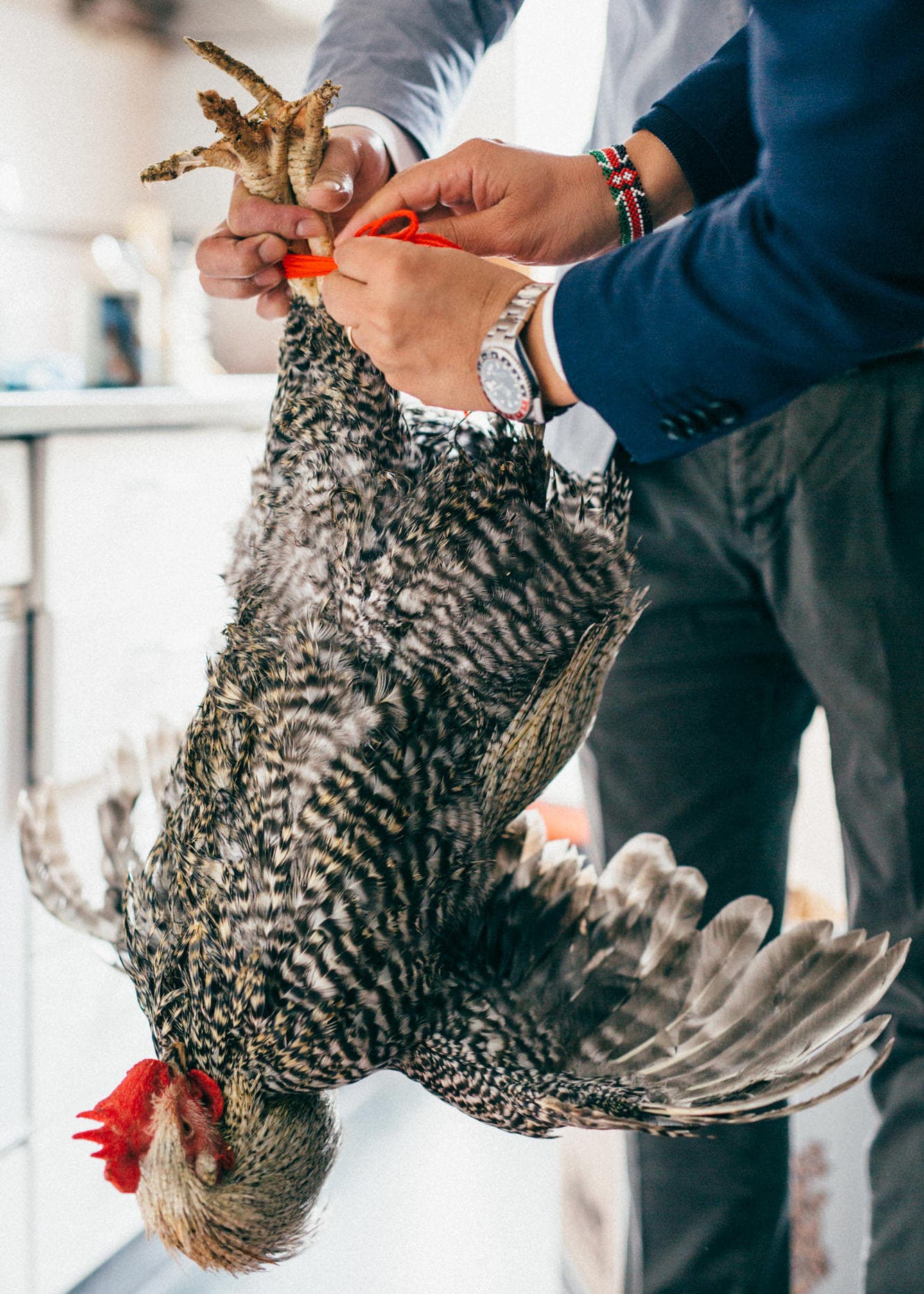
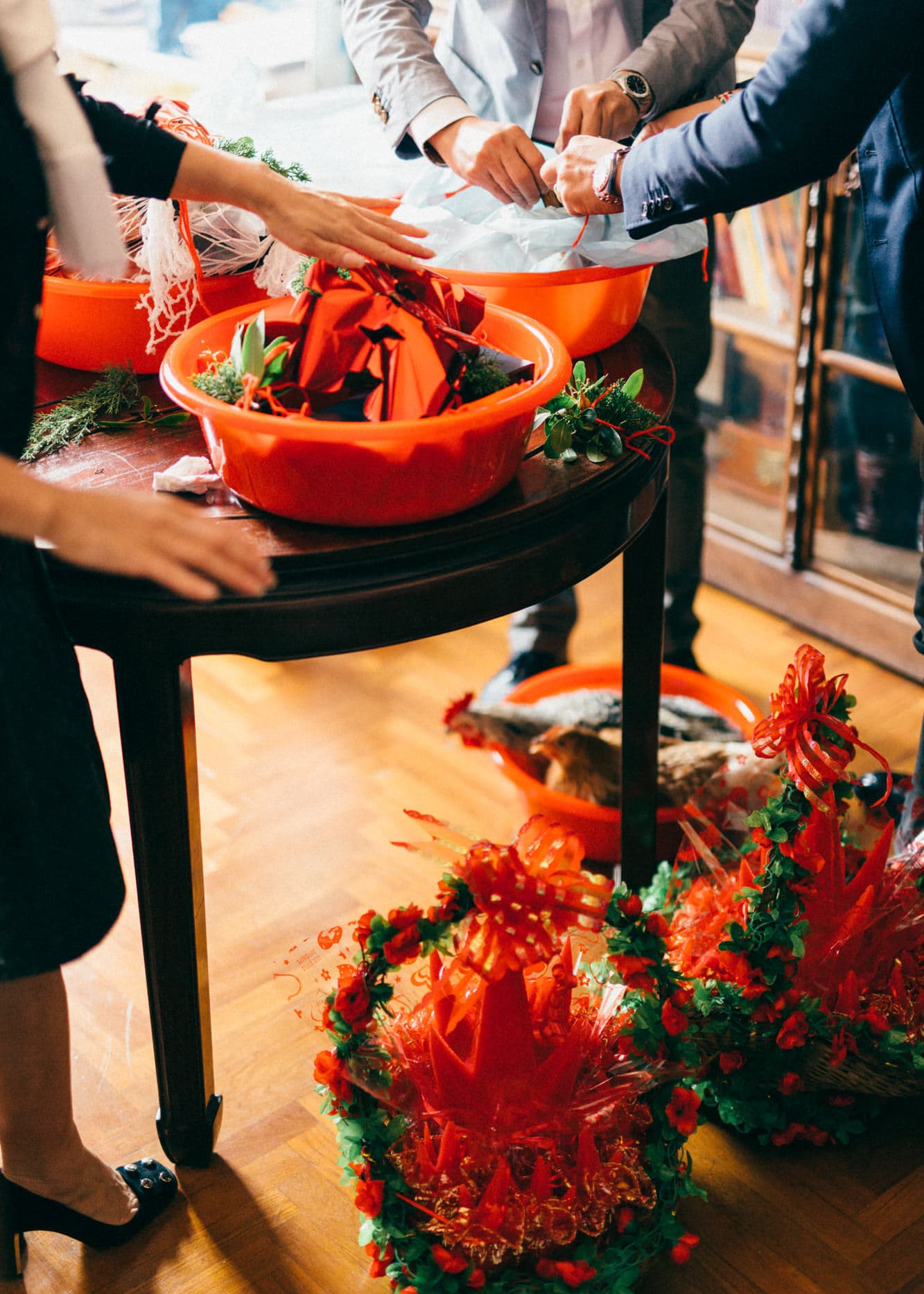
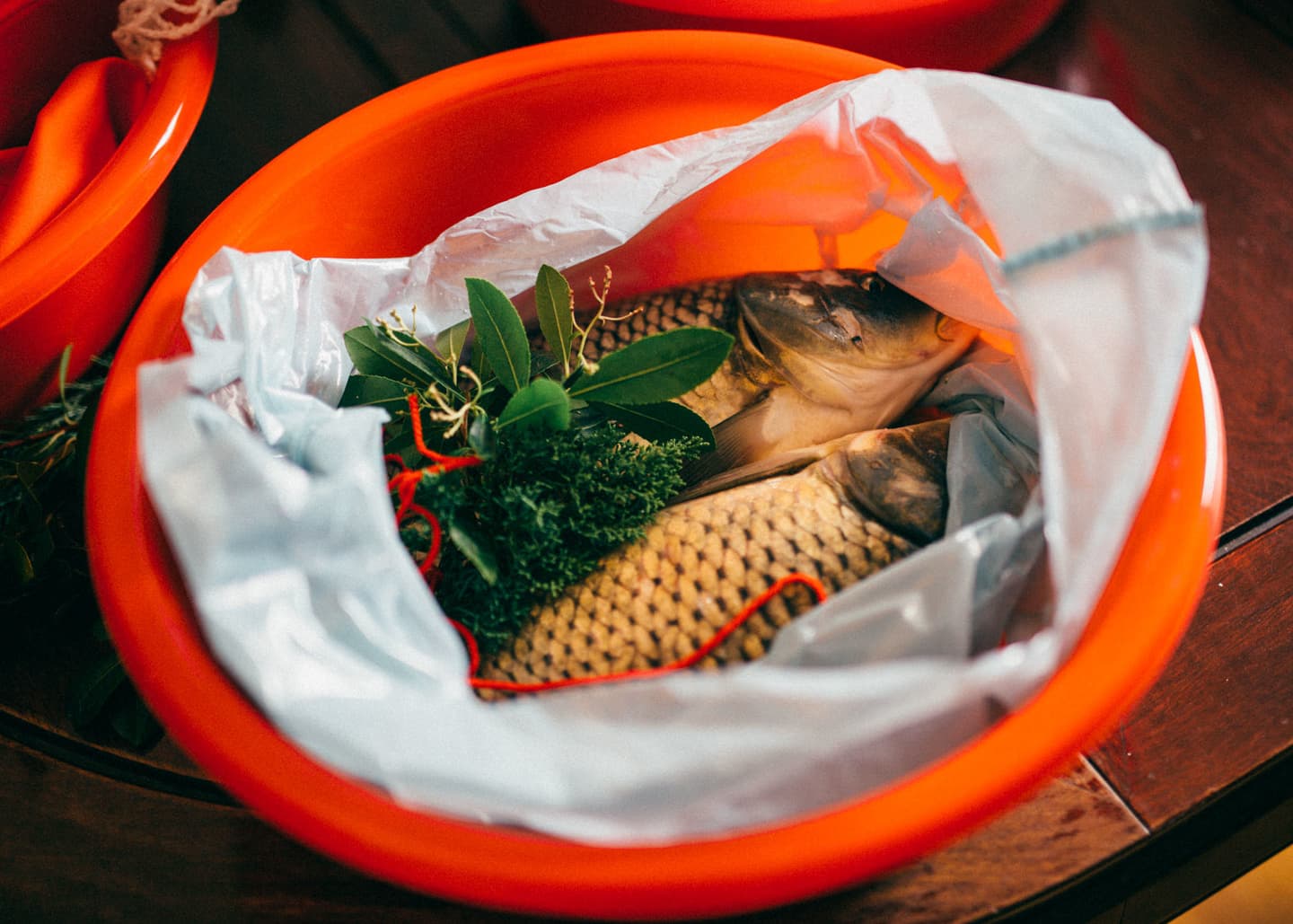
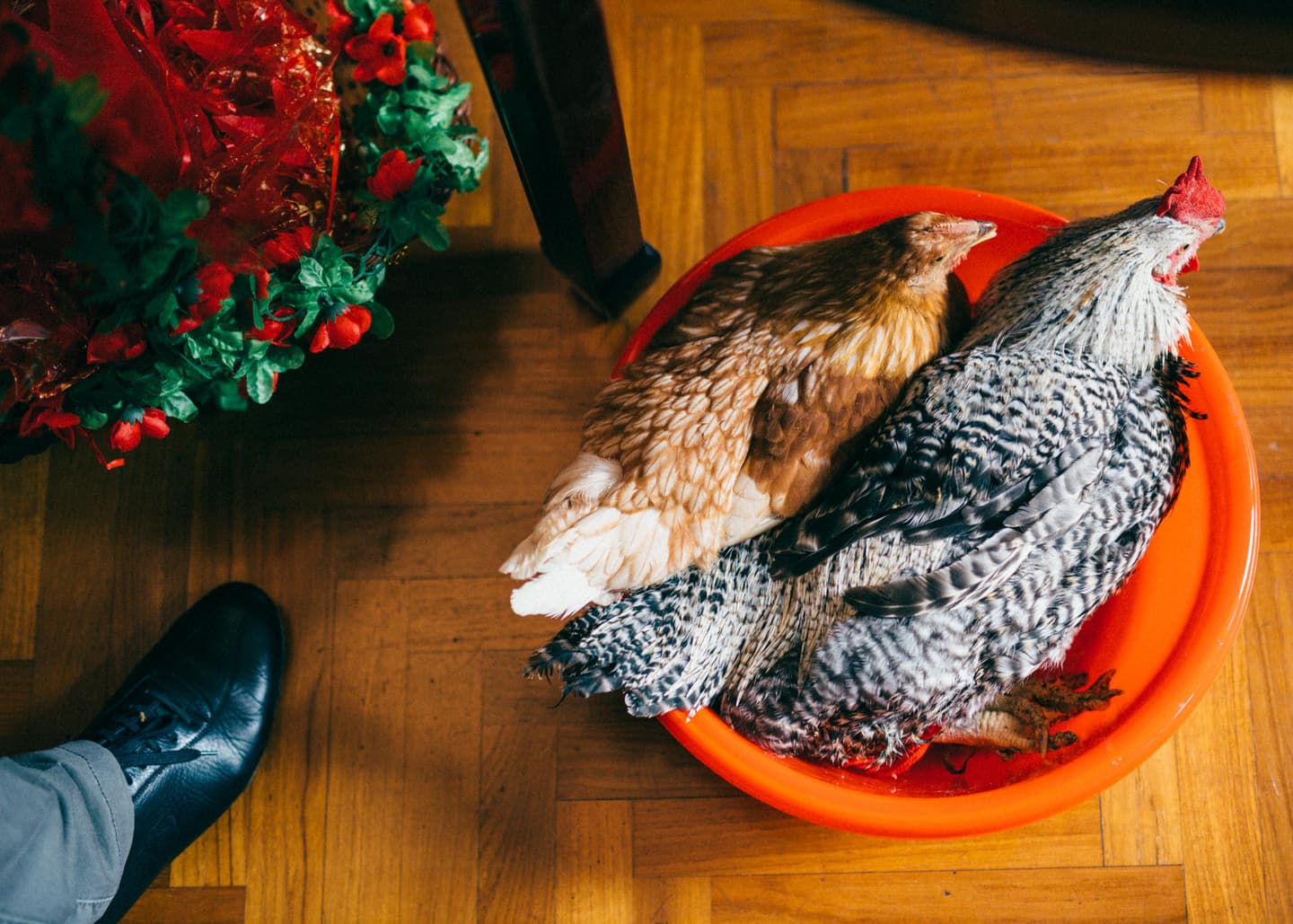
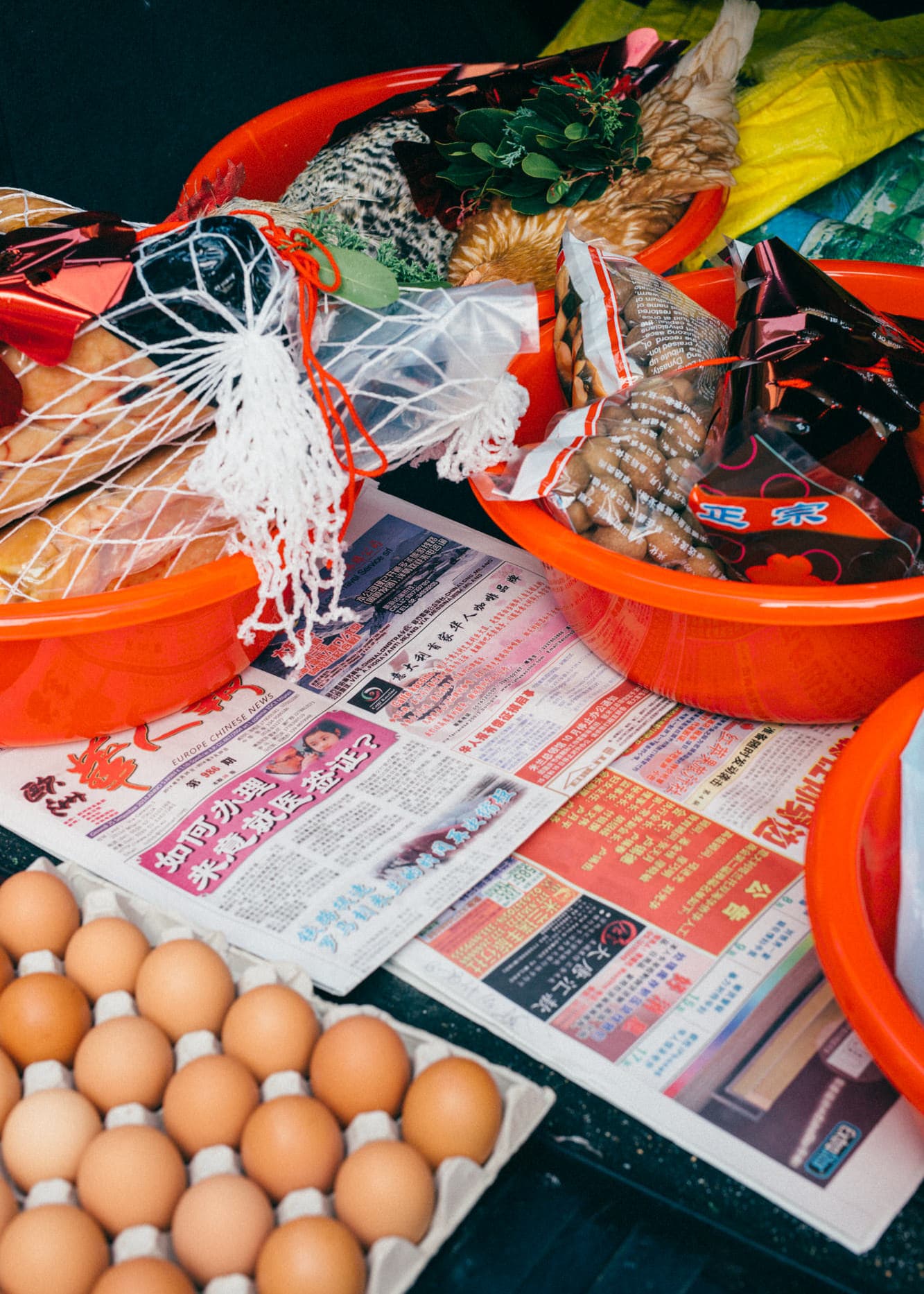
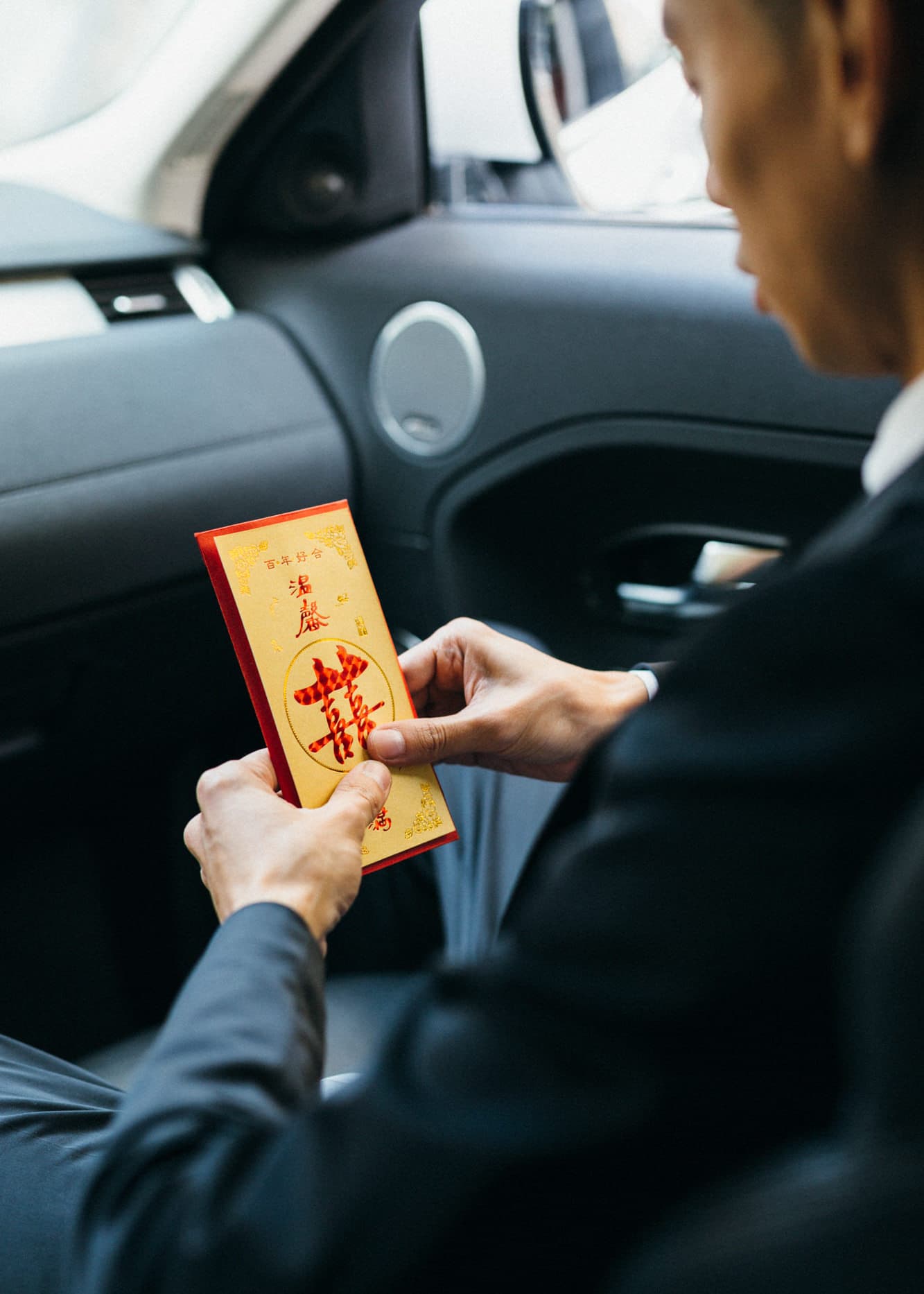
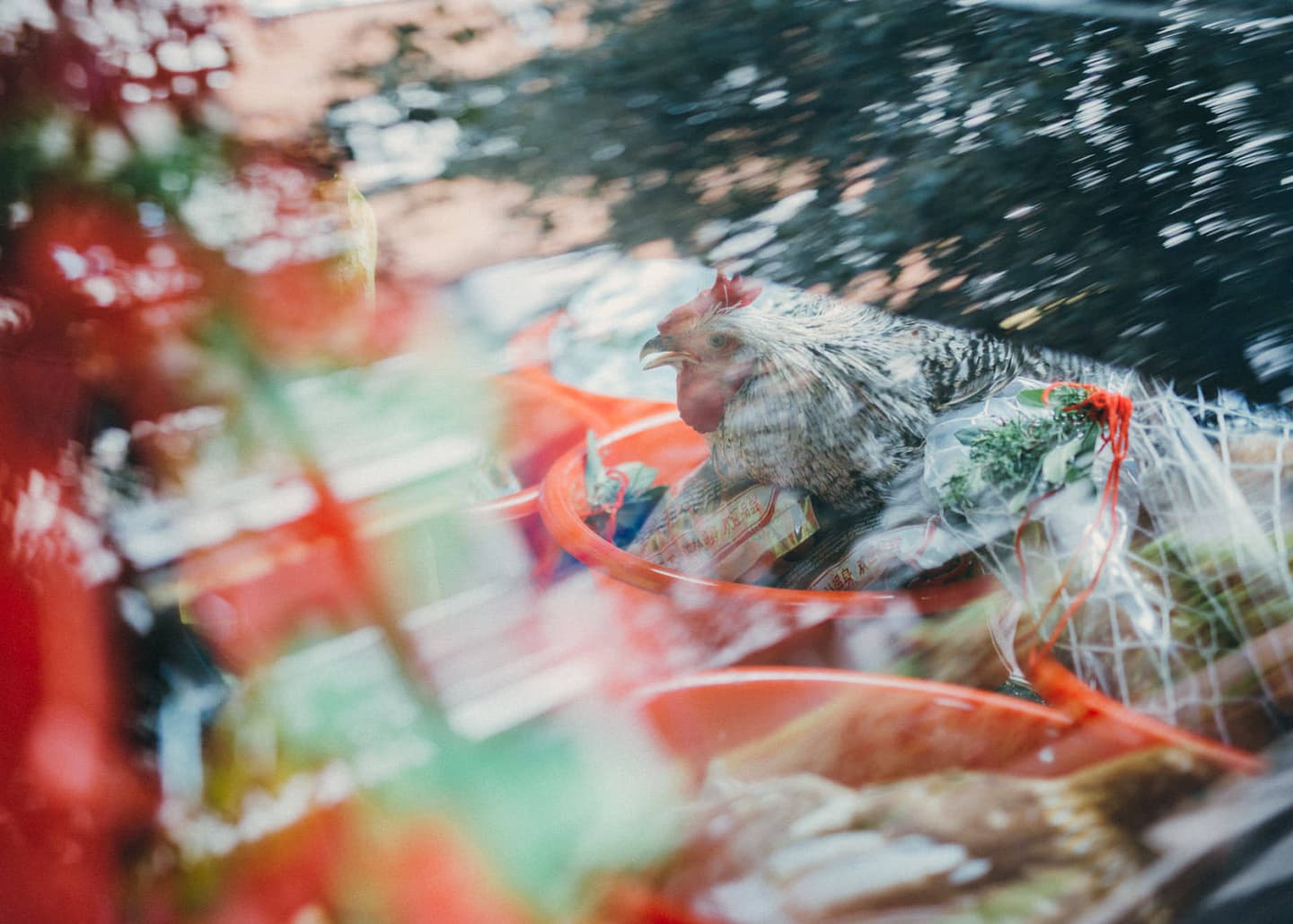
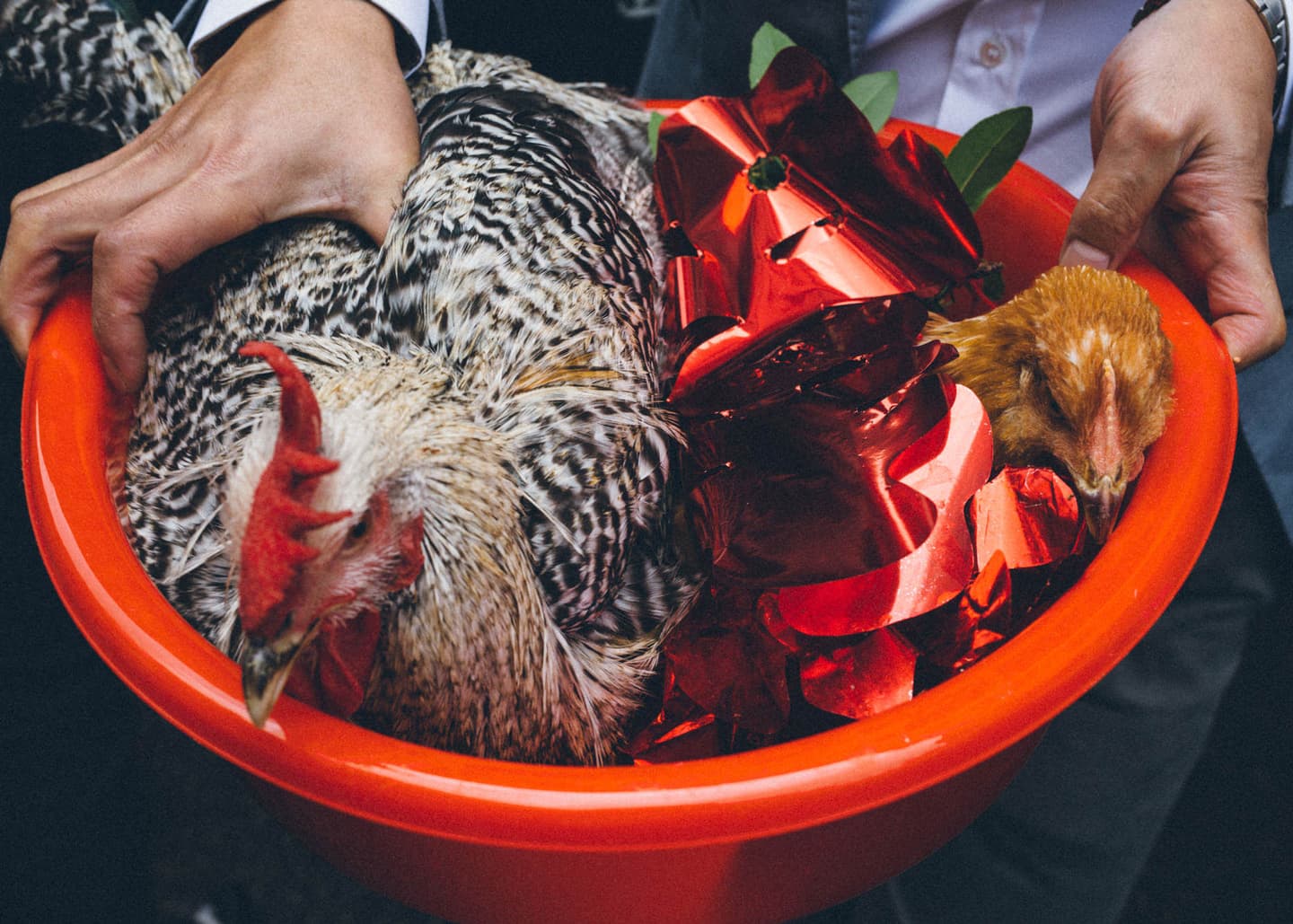
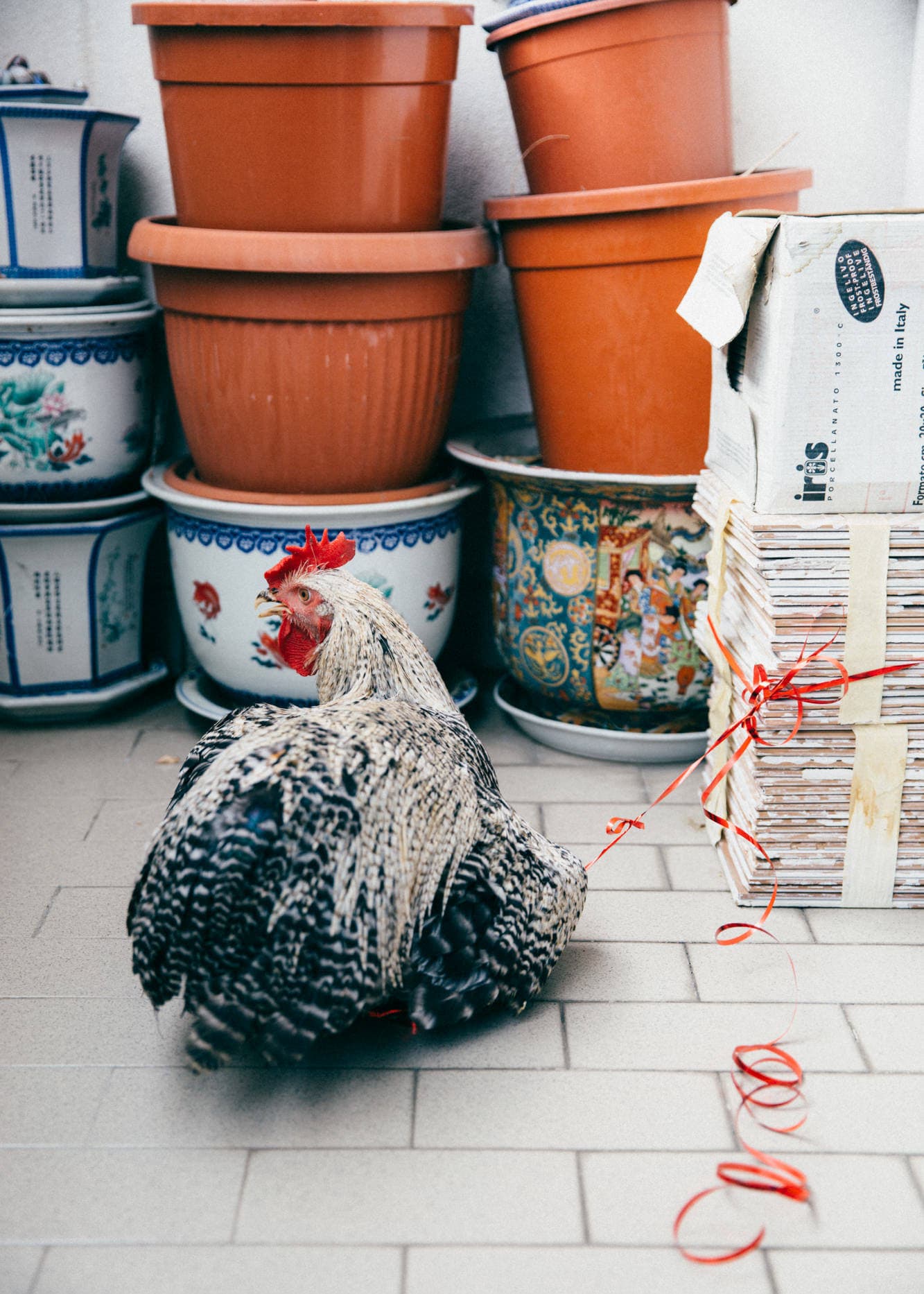
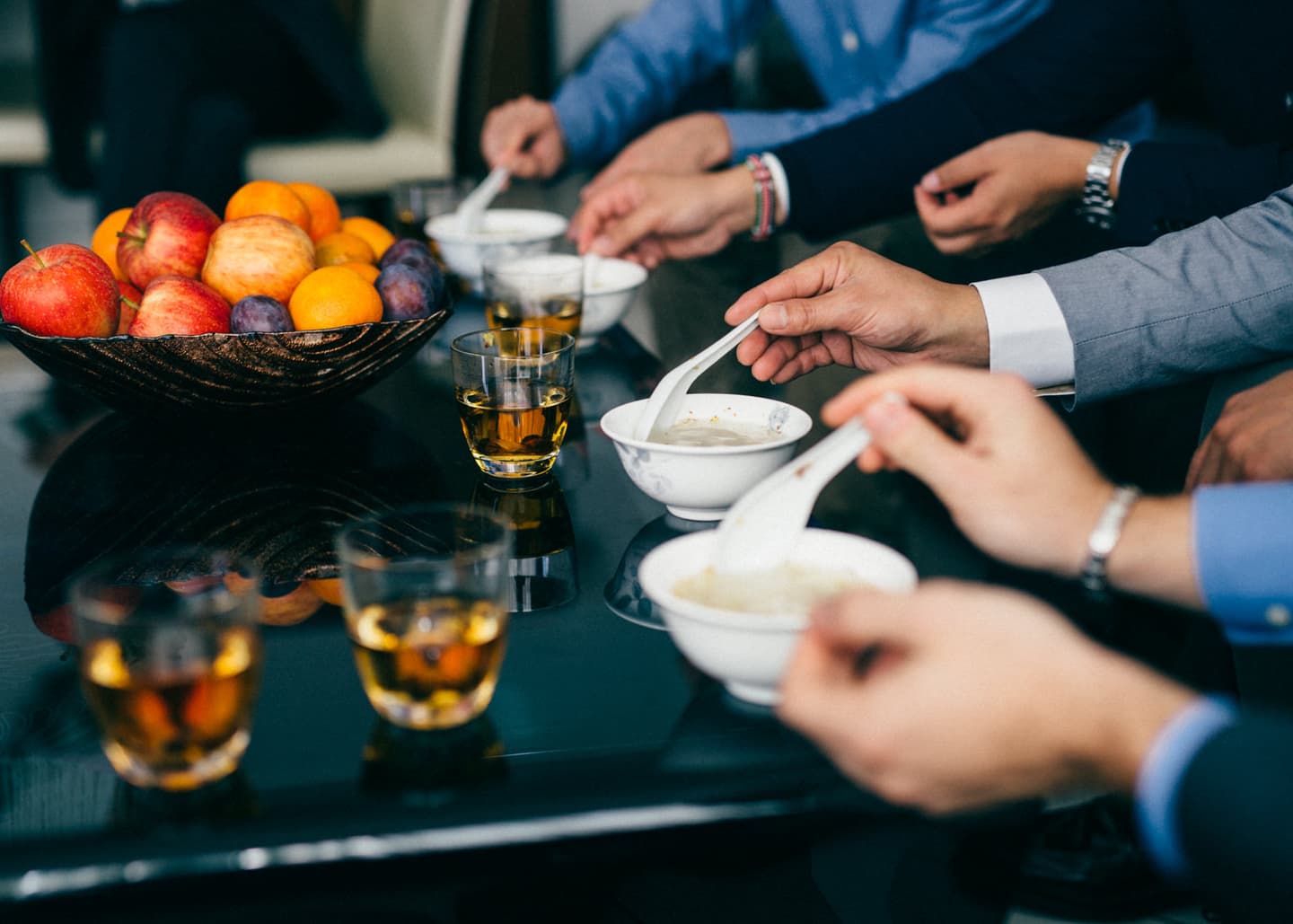
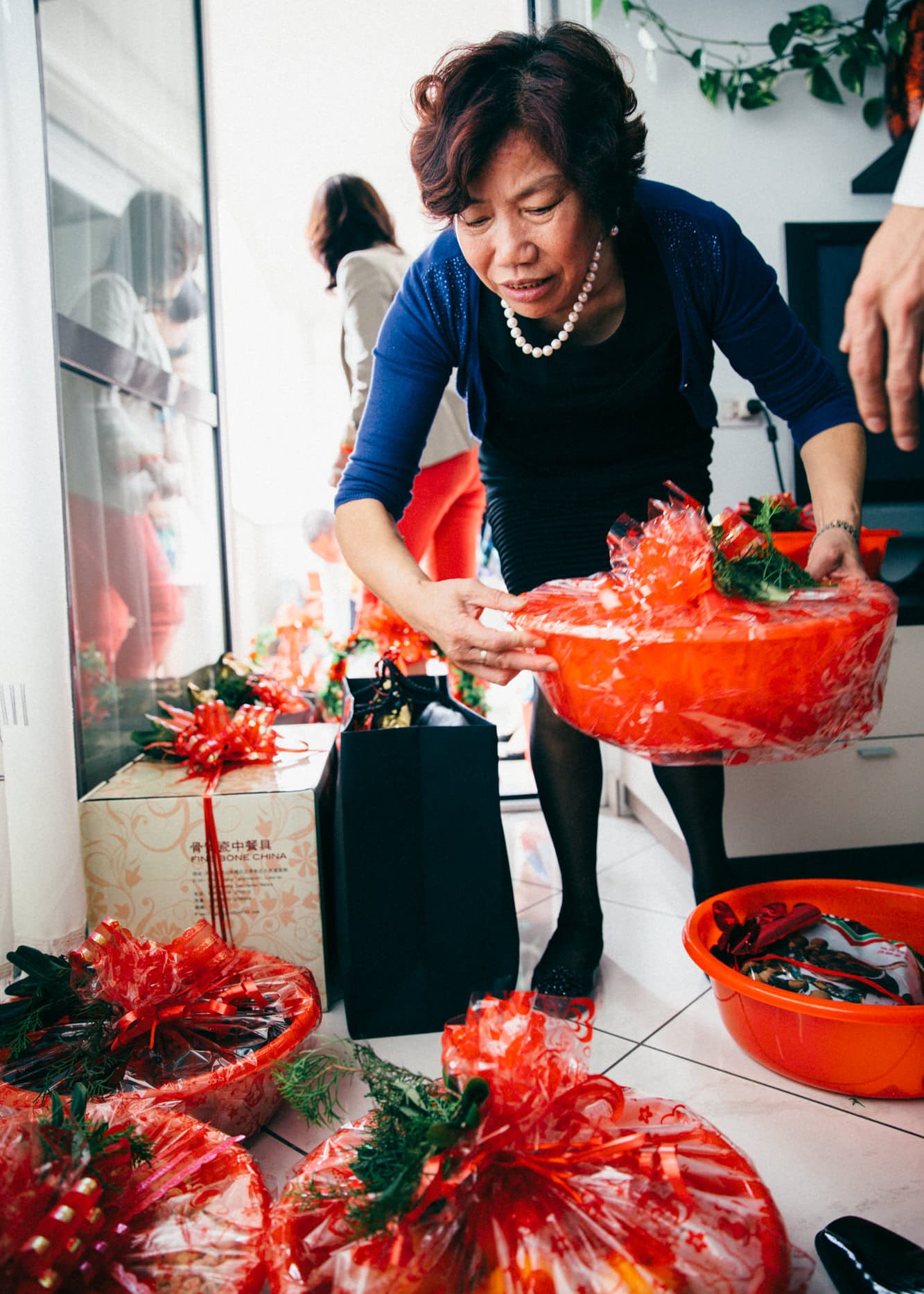
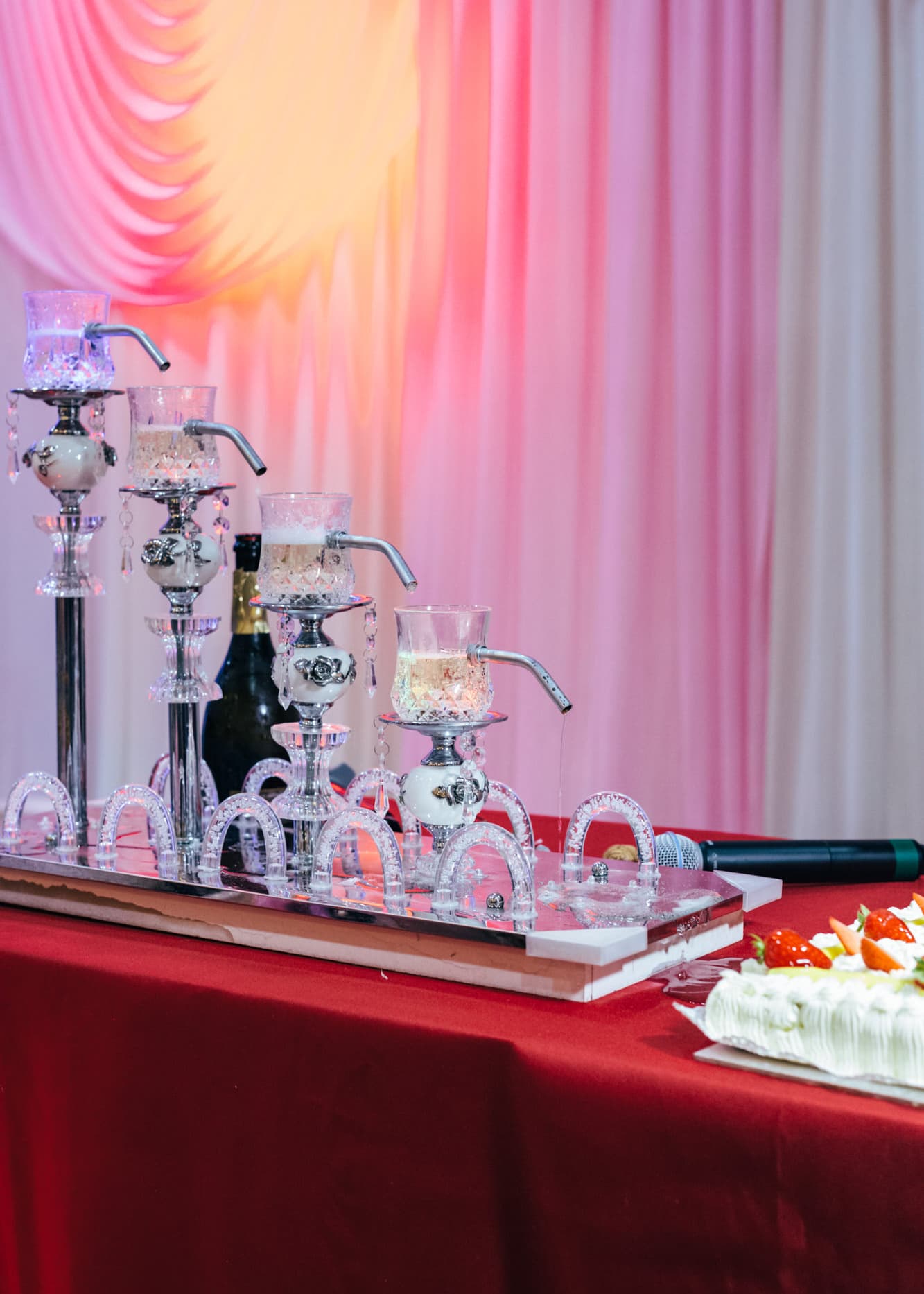
I was invited to take part in a traditional pre-wedding ritual in Milan for two friends originally from Wenzhou, China. The ceremony begins with the "Kaihe" — a divination rite in which both families ensure the birth dates of the prospective bride and groom are compatible. Once confirmed, negotiations over the bridal payment and dowry are conducted through a matchmaker, the "Yipin", who oversees the planning and execution of the entire engagement. The groom, alongside six male family members and close friends, then presents gifts — the "Iaoding" — to the bride's family: gold, jewellery, wedding cake, one live hen, one live rooster, two live fish and other fresh produce, all beautifully arranged in red bowls that symbolise unity and stability between the two families. Due to the impossibility of acquiring live pigs in central Milan, two legs of prosciutto were substituted. Lunch was cooked using the ingredients brought as gifts. Afterwards, as custom requires, half the offerings were returned along with the bride's family's own gifts. It was a surreal and extraordinary experience — chickens running loose in a Milan apartment, red envelopes of cash exchanged alongside Rolex Submariners, centuries-old rural traditions from southern China carried out in cheerful defiance of Italian health and safety regulations. Thousands of miles from Wenzhou, but celebrated exactly as their forefathers did before them.