Chukudus and Chukudeurs
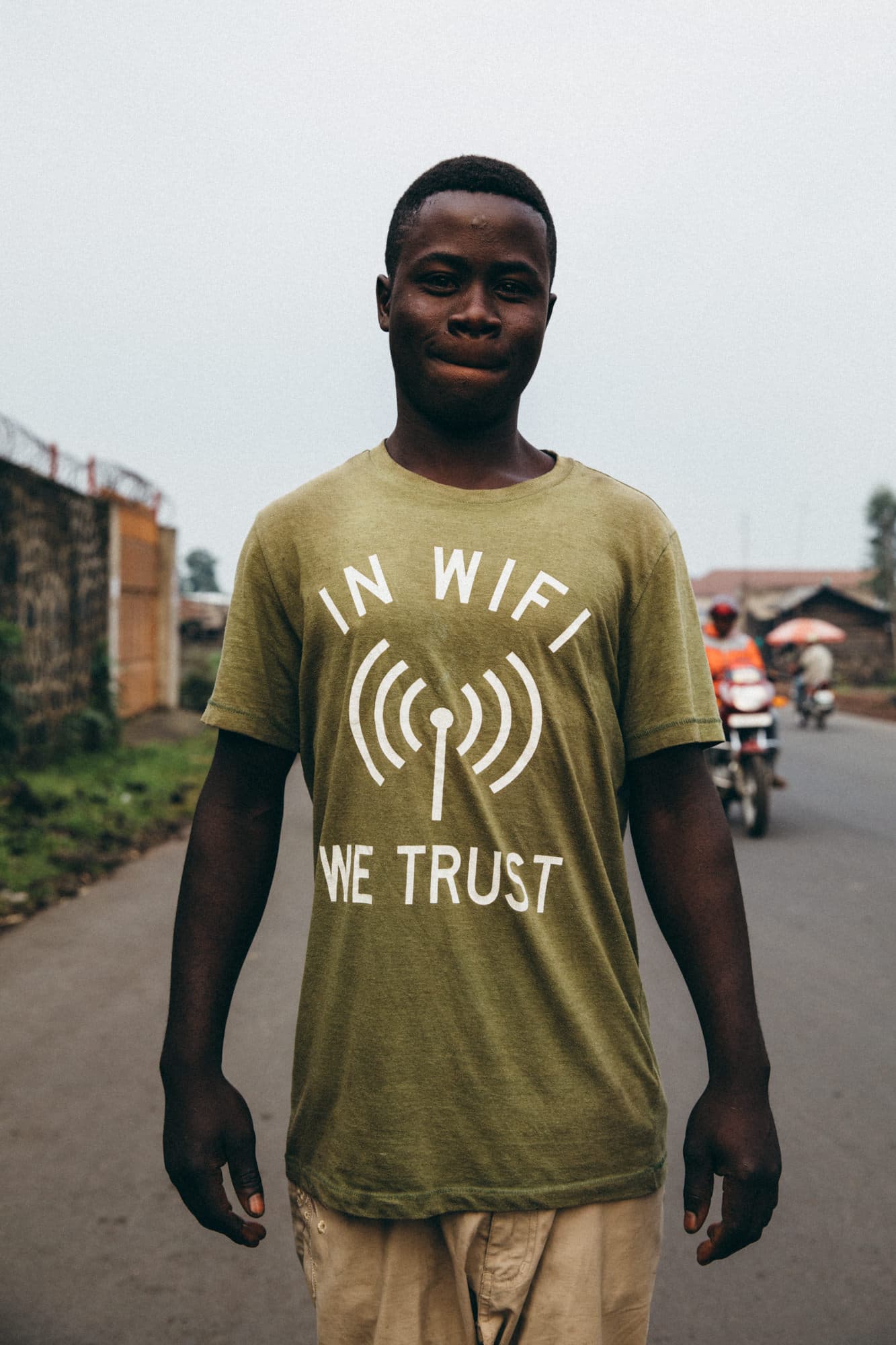

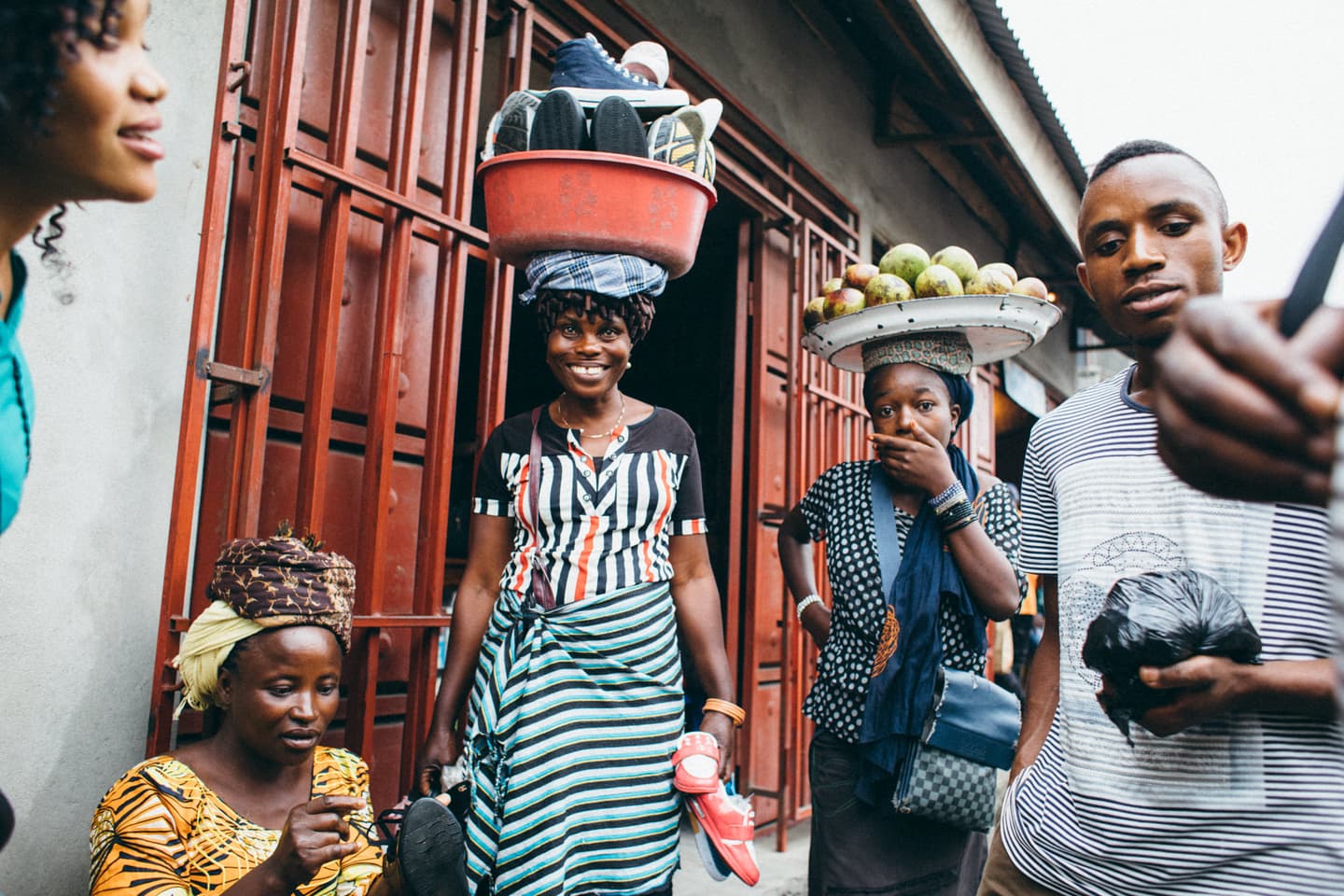
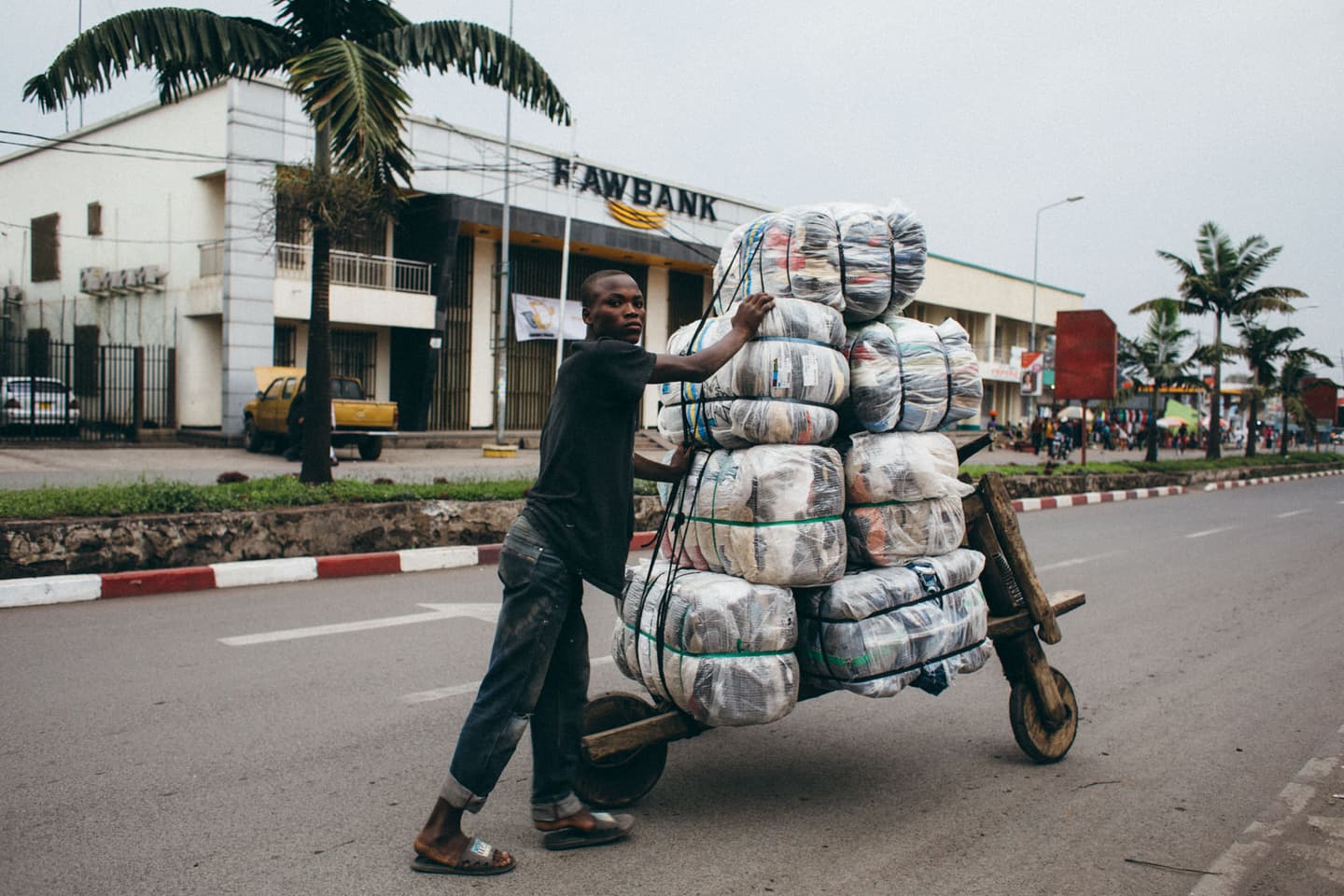
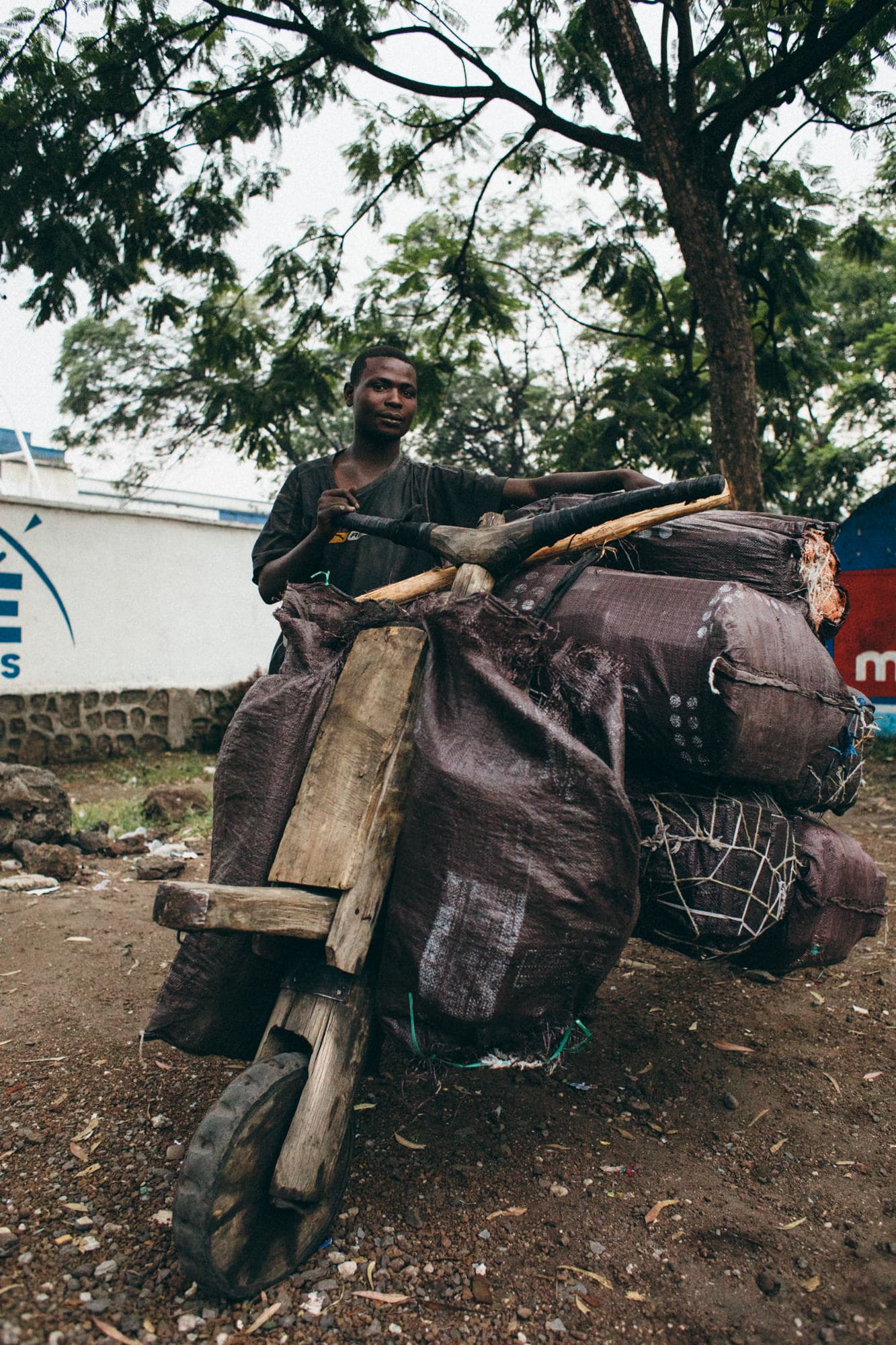
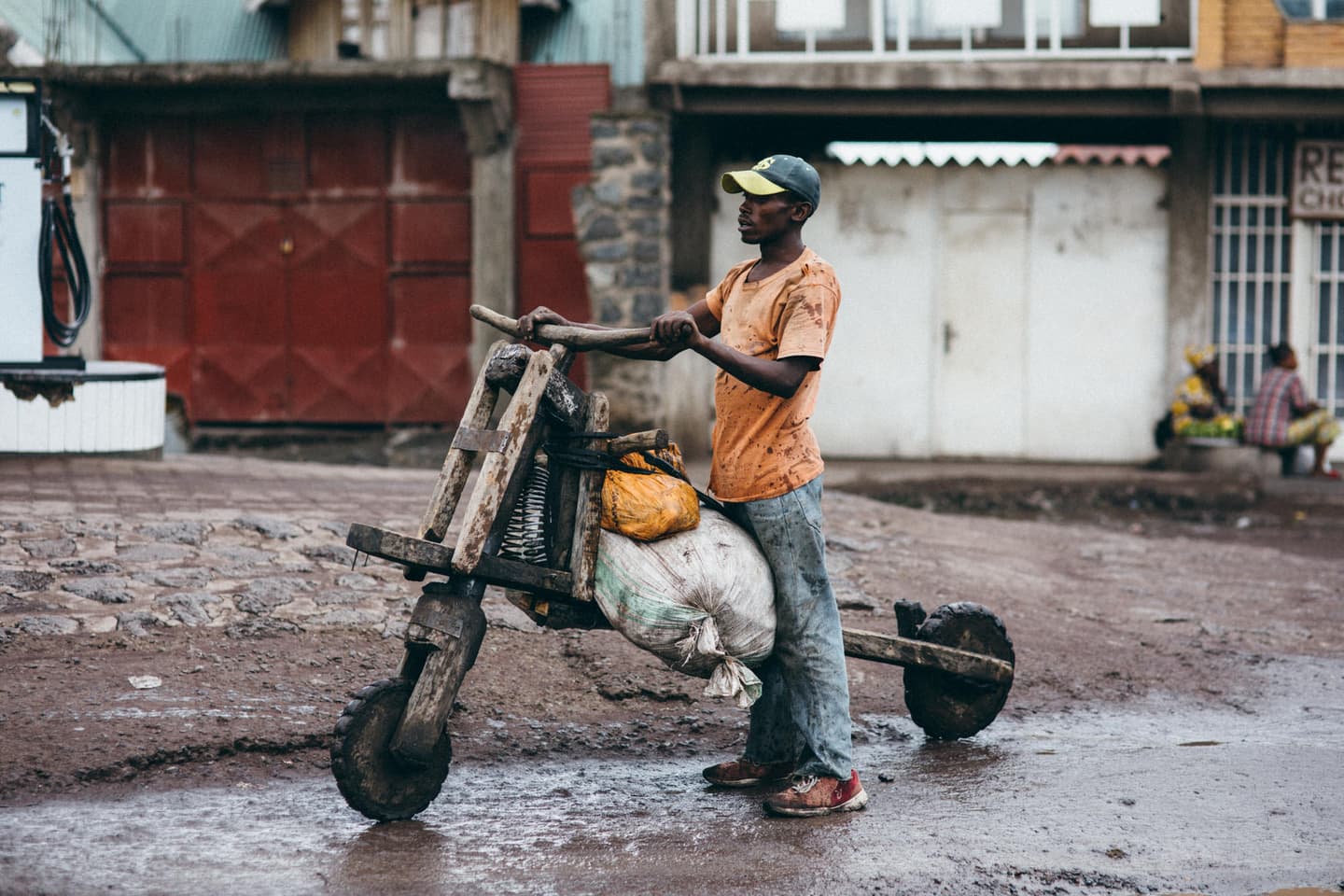
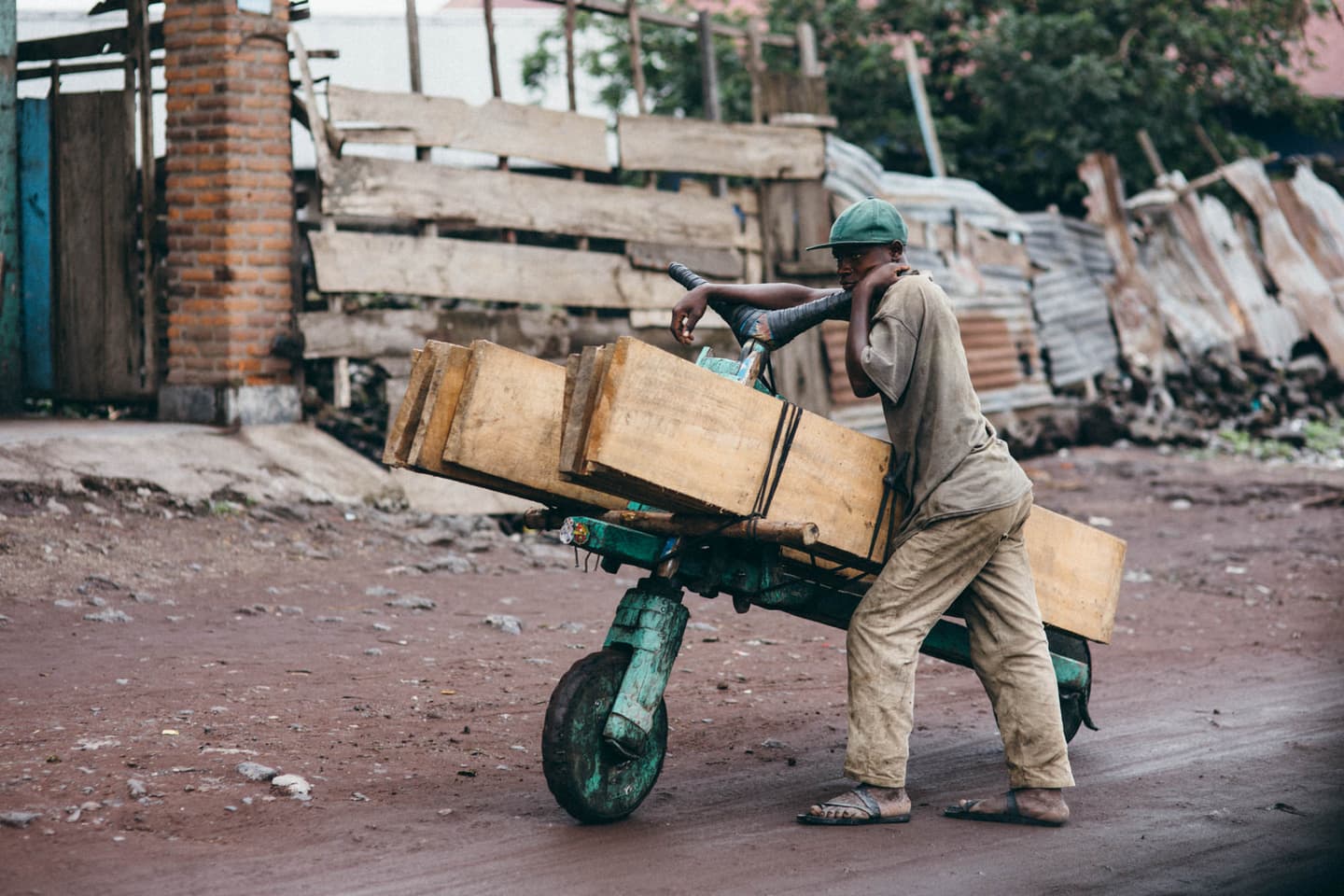
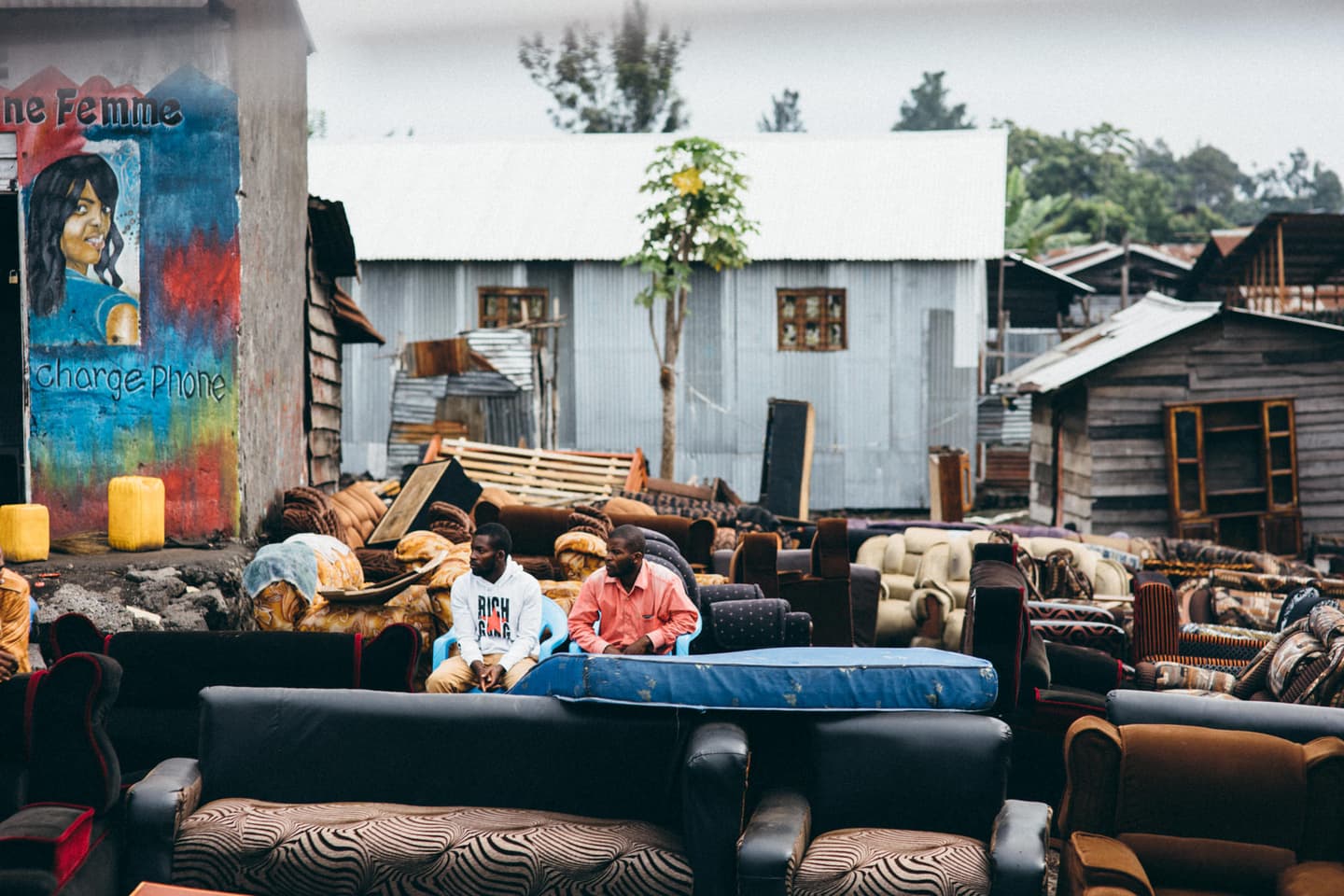
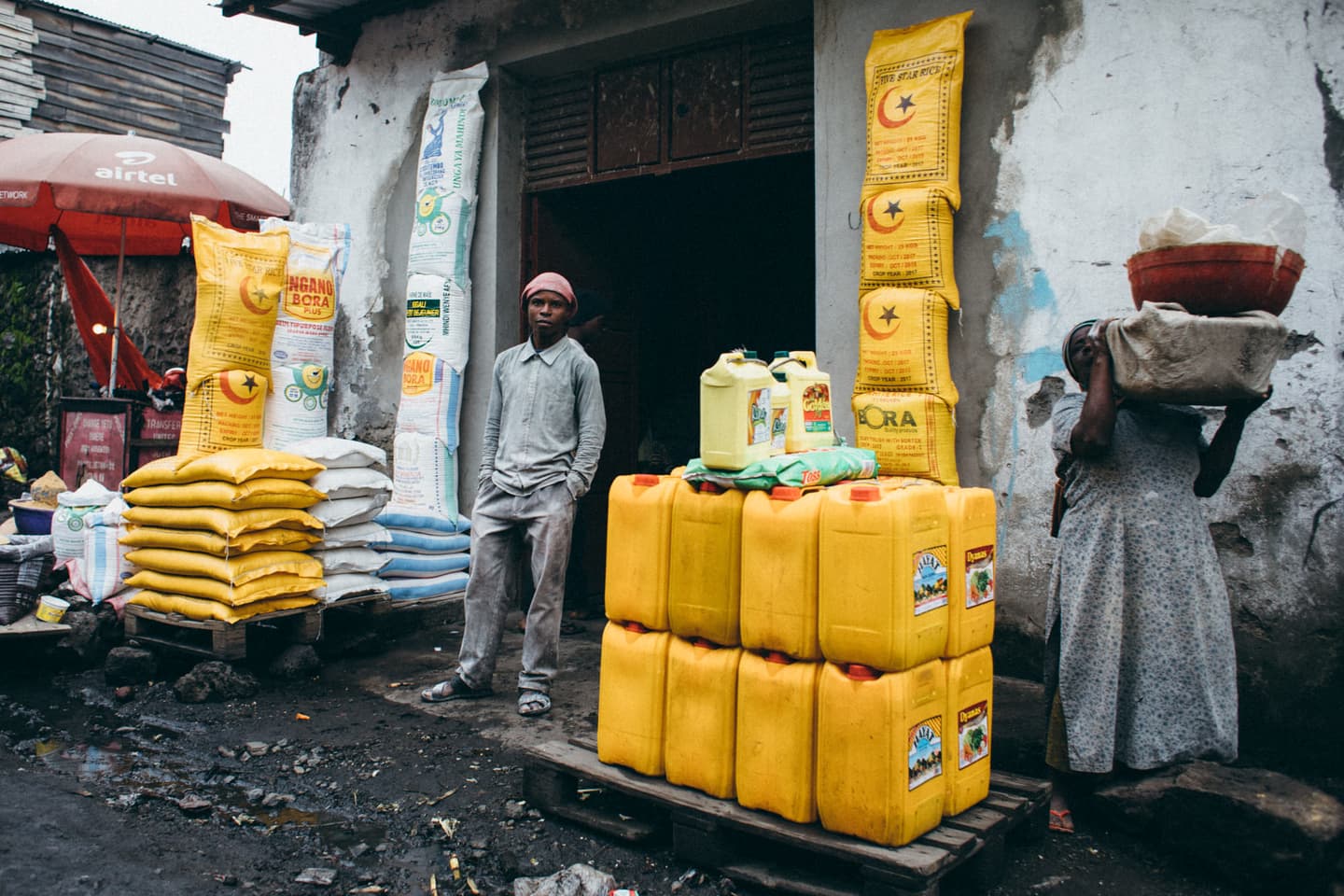
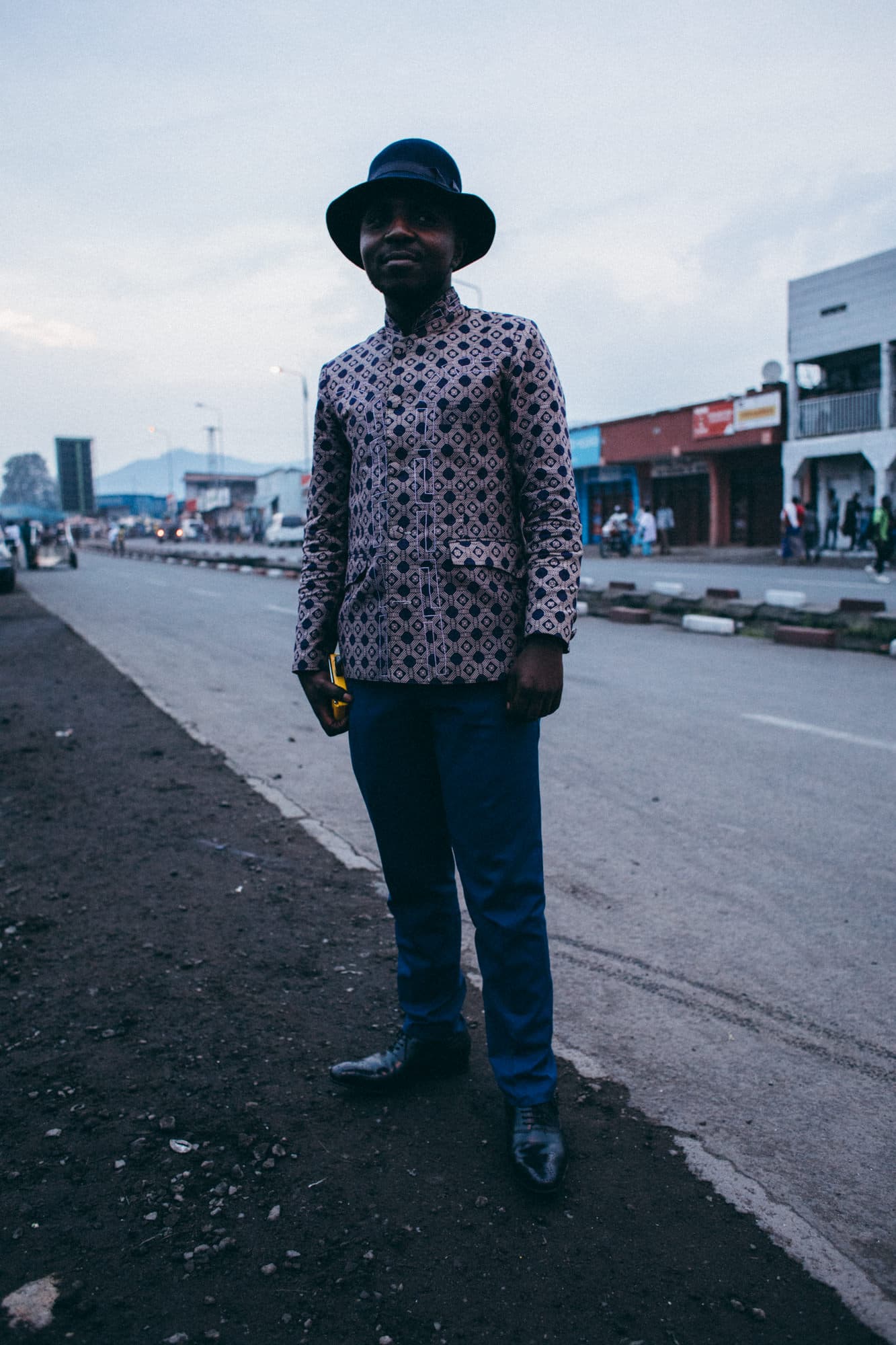
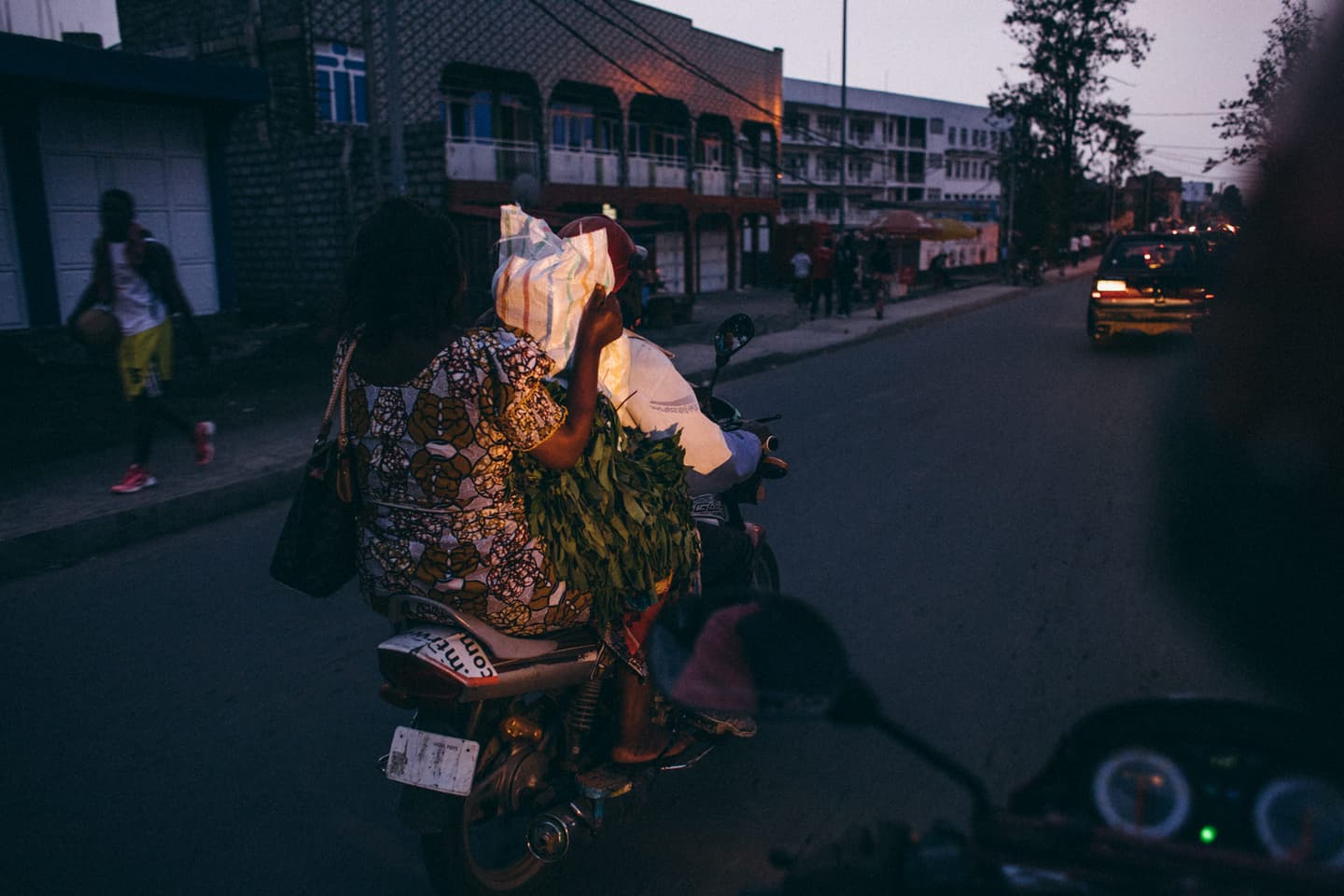
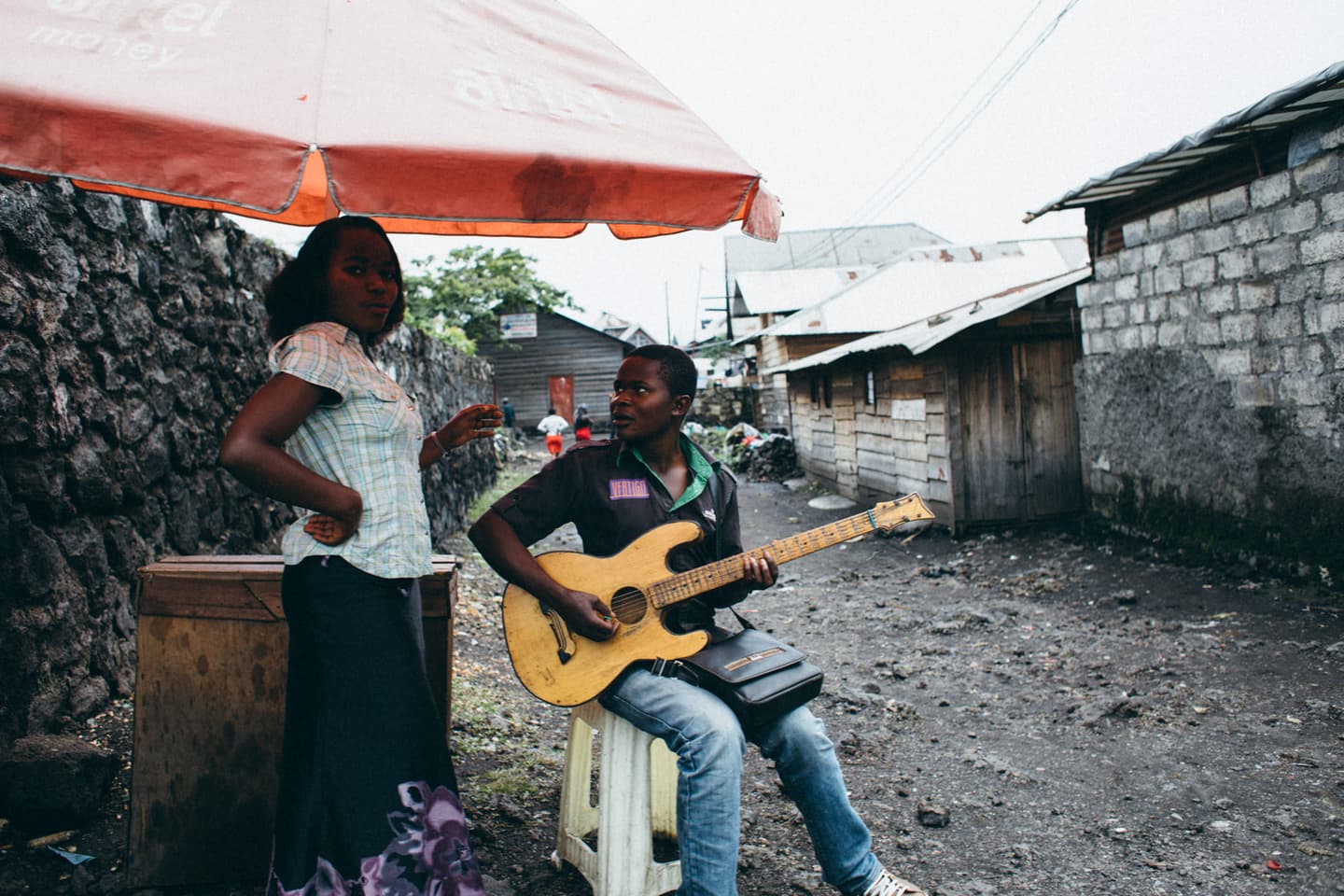

The Chukudu is a wooden cargo scooter unique to eastern Congo, and to Goma in particular. Built from eucalyptus frames and hardwood wheels wrapped in scrap tire rubber, each one takes about three days to construct and costs around a hundred dollars. They carry up to 800 kilograms — sacks of charcoal, crates of beer, building materials — pushed by a single operator on foot, one leg driving against the ground, the other kneeling on a padded rest. The vehicle is said to have been invented in the late 1970s as Mobutu's state apparatus, and with it the country's road network, began to collapse. In January 2002, when Mount Nyiragongo erupted and two lava flows cut through the centre of Goma — destroying a third of the airport runway, displacing 350,000 people, and burying most of the city's roads — Chukudus were among the only vehicles capable of navigating the rubble. Until the UN repaired the roads, they were Goma's primary freight system. The city has since made the Chukudu its civic symbol. A gilded monument stands at a central roundabout; the Association de Chukudeurs de Goma registers more than 1,300 active vehicles. An experienced Chukudeur can earn up to twenty dollars a day — significant in a region where most wages are measured in single figures. Goma sits at 1,500 metres, and North Kivu's topography means a skilled operator can coast a fully loaded scooter at considerable speed downhill, which is where most of the craft and the danger lies. Goma, Democratic Republic of Congo, 2018-2022.